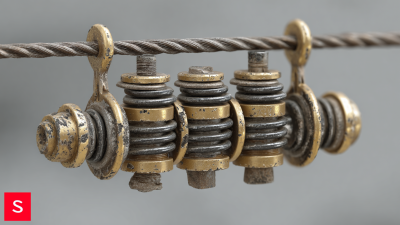
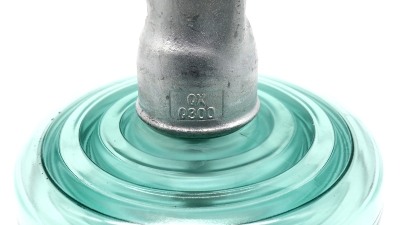
You know, these last few yearshave really seen a big jump in the demand for solid and high-quality electrical insulation. It’s pretty impressive — the global Insulator market is expected to hit aroundUSD 13.33 billion by 2026! 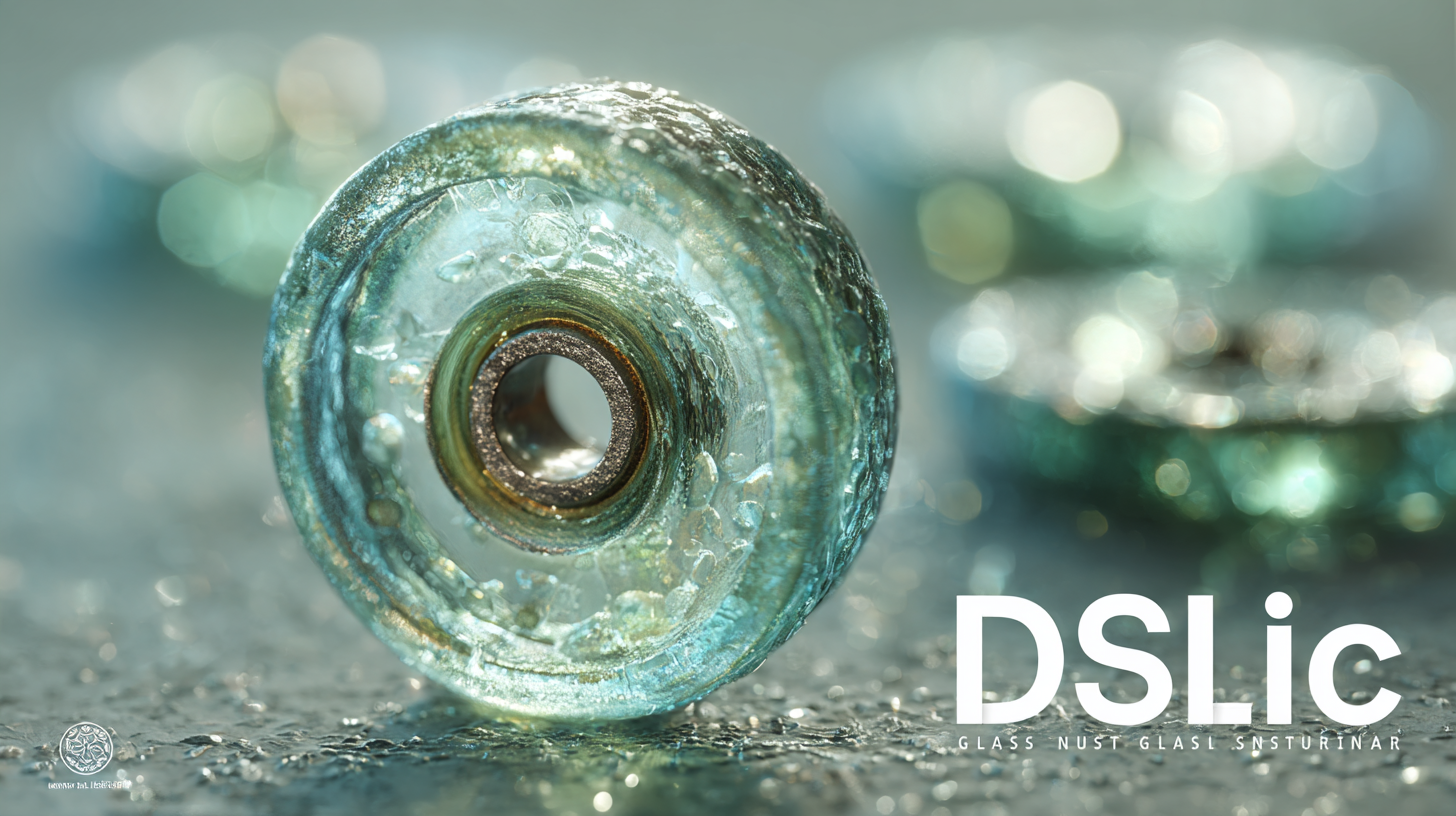 One product really catching attention in this booming market is the Disc glass Insulator. It’s got some standout features, like strong mechanical strength and great resistance to wear and tear from the environment. Over at Jiangxi QOCI Electric Co. LTD., which kicked off back in December 2002 in Jiangxi Province, China, they’re making waves in this field. They’ve really nailed their production processes and have a team that's dedicated to research and development, focusing on functional glass and circuit insulators. Because of all this, QOCI has become quite a trusted name in the industry. The amazing qualities of Disc Glass Insulators not only boost safety and performance in power transmission systems, but they also meet global standards for reliability and quality. This ultimately helps position China as a major player in the global manufacturing scene!
Unique Properties of Disc Glass Insulators That Enhance Performance
You know, disc glass insulators are really something special when it comes to their performance in all sorts of electrical setups. One of the best things about them is their amazing electrical insulation capabilities. Seriously, these insulators do a great job at minimizing the chances of power loss and electrical breakdowns. A report from the IEC, which is the International Electrotechnical Commission by the way, mentions that glass insulators can handle a dielectric strength of around 70-100 kV/cm! That’s pretty impressive, especially for high-voltage situations. Thanks to this feature, they work reliably even when the weather gets rough, making electrical transmission systems both long-lasting and efficient.
But wait, there’s more! These disc glass insulators are also pretty tough against environmental factors like UV rays and pollution. A study I came across in the Journal of Electrical Engineering pointed out that glass insulators don’t lose their insulating abilities over time, unlike ceramic insulators that can break down if they’re exposed to the elements for too long. Plus, their smooth surfaces make maintenance a breeze—it’s like Mother Nature helps out since rainwater can easily wash away dirt and grime, keeping them in tip-top shape. All of these perks make disc glass insulators the go-to choice for long-distance transmission lines, where you really need that reliability and durability to keep things running smoothly.
Comparison of Disc Glass Insulators and Other Types in Electrical Applications
When it comes to electrical insulation, disc glass insulators really shine, especially for high-voltage power transmission systems. I came across a report from the International Electrotechnical Commission (IEC) that pointed out how these insulators can beat ceramic ones in dielectric strength by 20% or even more. That’s a pretty big deal! It’s no wonder utility companies are all about them when looking for solutions that are both reliable and long-lasting.
Now, if we compare these bad boys to other types of insulators—like those made of polymer or porcelain—you’ll notice that disc glass insulators hold up remarkably well against environmental challenges. The ANSI C29.13 standard actually shows that glass insulators can handle tough weather, like heavy winds and ice loads, way better than their polymer buddies. Plus, they tend to last a really long time. Some of them are still going strong after 50 years! With the growing need for dependable electrical infrastructure, it’s clear why engineers and electrical pros keep turning to disc glass insulators as their top choice.
The Role of Disc Glass Insulators in High-Voltage Power Transmission
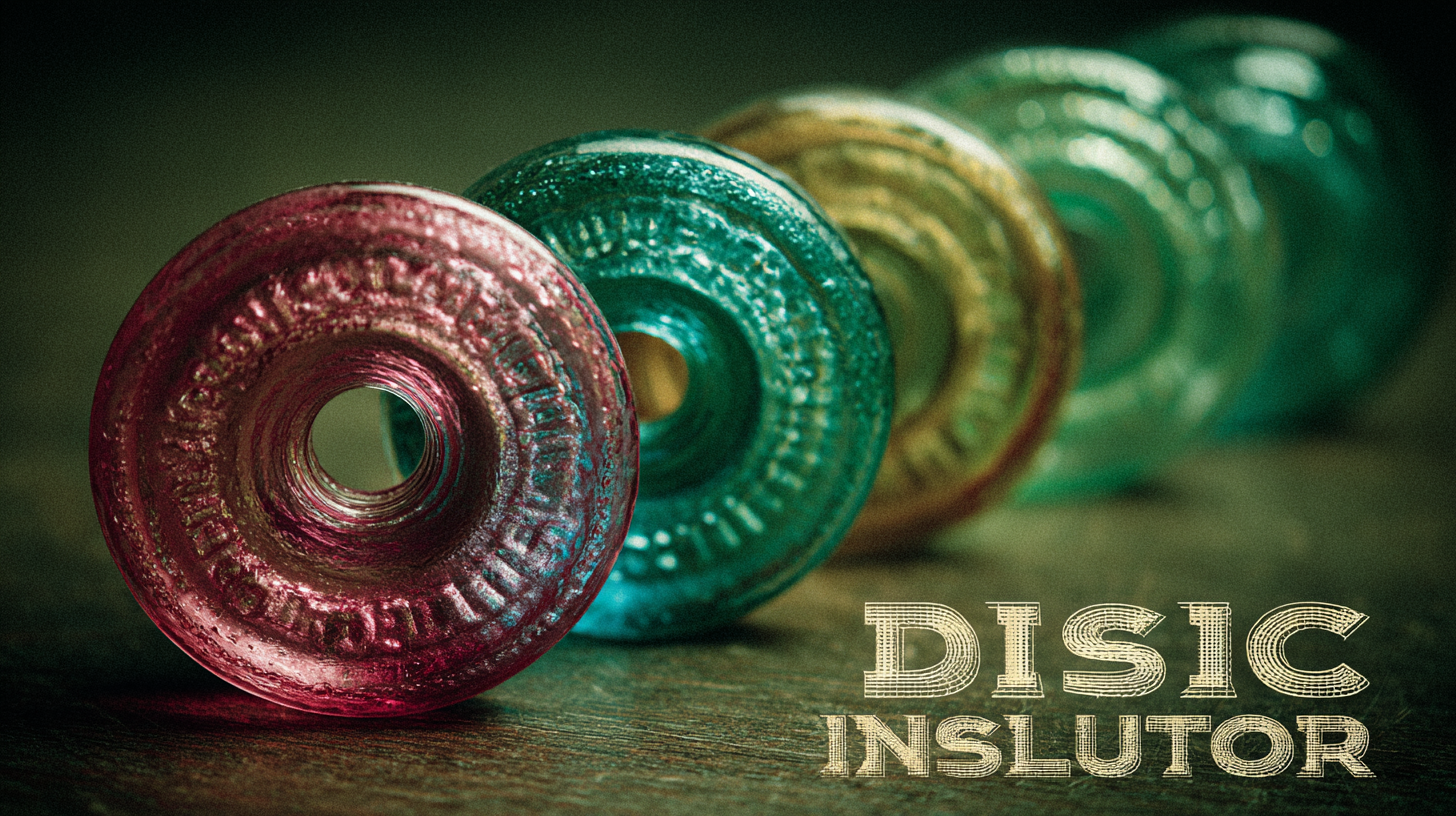
Disc glass insulators are super important when it comes to high-voltage power transmission. They help keep electrical networks safe and reliable, which is no small feat! Usually made from top-notch glass, these insulators can handle some pretty extreme weather, fight off pollution, and still keep their electrical performance in check over time. According to industry buzz, the global demand for glass insulators is expected to rise at a rate of around 6.2% annually until 2025. This growth is fueled by the booming energy sector and the need for tougher, more resilient infrastructure.
Over at Jiangxi QOCI Electric Co. Ltd., we like to think we’ve got this down to a science. We use cutting-edge production technology to create top-tier disc glass insulators. These designs really cut down on electrical leakage and ramp up operational efficiency, which is fantastic. Plus, we're always tinkering away in R&D, so we can keep rolling out functional glass and circuit insulators that meet a variety of market demands.
Pro Tip: If you’re in the market for disc glass insulators, don’t forget to think about things like the environmental conditions they’ll face, the voltage needs, and the reputation of the manufacturer. High-quality insulators can really save you on maintenance costs and boost system reliability.
Another Tip: Make it a habit to check your disc glass insulators regularly for any signs of wear or damage from the environment. Catching issues early on can save you from some pretty steep outages and help keep your power transmission running smoothly for the long haul.
Understanding the Manufacturing Process of Disc Glass Insulators
You know, the way we make disc glass insulators really matters when it comes to how they perform and how long they last. At Jiangxi QOCl Electric Co. Ltd., we’ve got this detailed process that we follow to make sure our insulators are top-notch. We start by picking the right glass materials — you know, the ones that have the right electrical properties and can really handle some tough conditions. The raw materials get melted down at super high temperatures until we have this smooth, consistent glass mixture. Then, we mold it into the insulator shape we want, using some pretty precise techniques. This whole process not only makes the insulators super strong but also helps us make sure they meet the industry standards. In fact, these standards say that a solid disc glass insulator should handle at least 20 kV per mm of dielectric strength. Pretty impressive, right?
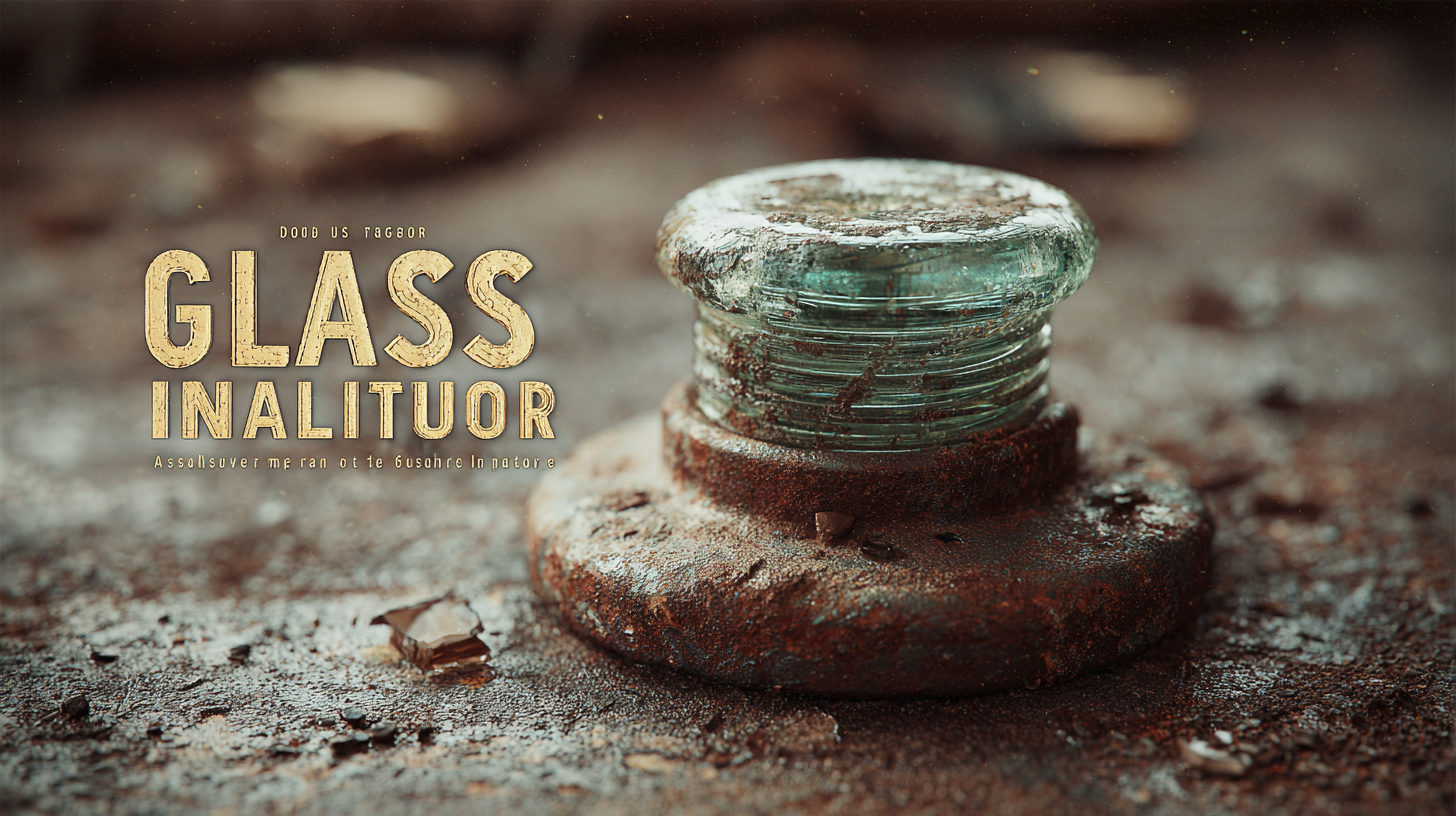
But that's not all! Quality control is huge for us at every step of manufacturing. We carry out a bunch of tests — electrical, mechanical, thermal, the works — to double-check that each insulator can really hold up under pressure. You know, industry reports suggest that about 15 to 20% of insulators might fail early on due to defects. But here at QOCl, thanks to our advanced tech and solid research and development, we’ve managed to cut that number down quite a bit. So our disc glass insulators don’t just do their job; they also play a big part in keeping electrical networks safe and running smoothly.
Real-World Applications of Disc Glass Insulators in Renewable Energy Systems
You know, disc glass insulators are super important when it comes to renewable energy systems. They really help boost the efficiency and reliability of high-voltage (HV) transmission. Recently, researchers have taken a closer look at how these insulators perform in both clean and polluted settings. It turns out that the way they’re designed can really affect not just how often flashovers occur, but also how resilient our power systems are overall. It’s pretty alarming to see that pollution can lead to flashovers, which means we definitely need materials that can handle tough environmental conditions. A performance analysis showed that the failure rates of high voltage disc insulators actually change based on their profiles, which just goes to show how crucial it is to have a tailored approach when engineering these components.
On top of that, using machine learning to classify contamination levels is a game-changer for keeping an eye on polluted insulators. By looking at leakage current data, these smart models can easily determine how contaminated the insulators are, which helps us stay on top of maintenance. This is super important for extending the life of insulators, especially since traditional inspection methods sometimes miss those subtle signs of wear and tear. With everyone predicting a growing demand for high-efficiency power systems by 2050, it’s clear that we need to pair advanced monitoring tech with sturdy materials like disc glass insulators to really tackle our future energy needs.
Key Industry Standards and Regulations for Disc Glass Insulators
You know, when we talk about disc glass insulators in the electrical industry, it’s super important to stick to key standards and regulations. These guidelines are really there to make sure we’ve got safety, reliability, and efficiency down in our power transmission systems. Organizations like the International Electrotechnical Commission (IEC) and the American National Standards Institute (ANSI) lay out essential rules that manufacturers need to follow. These regulations touch on everything from mechanical strength and electrical insulation properties to how well they can handle different environmental factors.
On top of that, there are specific tests that help evaluate how well these disc glass insulators perform. They’re put through their paces to see how durable they are against weather changes, electrical stress, and mechanical loads. Sticking to these industry standards not only keeps the power grid safe but also builds customer confidence in the products out there. It’s a big deal! So, suppliers and manufacturers really need to keep innovating and improving their insulator designs to stay on top of changing regulations. That way, we can ensure that our electricity distribution networks are set up for the long haul.
Exploring the Unique Features and Applications of the Best Disc Glass Insulator - Key Industry Standards and Regulations for Disc Glass Insulators
| Feature | Description | Applications | Industry Standards |
| Material Composition | High-strength glass with excellent insulation properties | Use in overhead power lines | IEC 60383 |
| Voltage Rating | Rated for high voltage applications | Substation and transmission line installations | ANSI C29.1 |
| Strength and Durability | Resistant to environmental stresses and mechanical loads | Suitable for use in extreme weather conditions | BS 3288 |
| Design Features | Available in various shapes and sizes for different applications | Used in telecommunication and electricity distribution | IEEE 18 |
| Environmental Impact | Made from recyclable materials | Contributing to sustainable power solutions | ISO 14001 |
Innovative Solutions for Electrical Insulation: Exploring the U300 High Voltage Anti-Fog Toughened Glass Insulator
The U300 High Voltage Anti-Fog Toughened Glass Insulator represents a significant advancement in electrical insulation technology. Designed to withstand harsh environmental conditions, this insulator features a robust build that can endure high mechanical loads of up to 300 kN, making it suitable for extensive power transmission systems. According to the International Electrotechnical Commission (IEC) standards, the use of toughened glass for suspension insulators ensures enhanced reliability and durability, significantly reducing the risk of failures due to environmental challenges such as pollution and moisture accumulation.
In recent studies, the electrical performance of toughened glass insulators has been shown to exceed that of traditional materials, especially under heavy contamination conditions. Reports indicate that such insulators maintain superior dielectric properties, reducing flashover rates by up to 45%. This is crucial for utility companies aiming to increase efficiency and minimize downtime, as unplanned outages caused by insulator failure can cost millions in lost productivity. The U300 model not only meets but surpasses these industry benchmarks, thereby setting a new standard for high voltage applications.
Additionally, the anti-fog feature of the U300 insulator plays a pivotal role in maintaining operational effectiveness during unexpected weather conditions. Fog and moisture can dramatically hinder insulator performance, yet the U300's innovative design mitigates these risks, thus ensuring continuous, safe electrical transmission. This state-of-the-art solution is revolutionizing the landscape of electrical insulation, offering utilities a reliable ally in their quest for efficiency and safety in power transmission infrastructure.
FAQS
: Disc glass insulators are known for their unique properties that enhance performance in electrical applications, particularly their superior electrical insulation capabilities.
Glass insulators exhibit a dielectric strength of approximately 70-100 kV/cm, making them highly effective in high-voltage environments, which reduces the risk of power loss and electrical breakdown.
Disc glass insulators ensure reliable performance even in severe weather conditions, contributing to the longevity and efficiency of electrical transmission systems.
Disc glass insulators are resistant to environmental factors such as UV radiation and pollution, maintaining their insulating properties over extended periods unlike ceramic insulators that can degrade.
The smooth surface of disc glass insulators allows dirt and pollutants to be washed away with rainwater, facilitating easier maintenance and preserving their performance.
Disc glass insulators are pivotal in renewable energy systems, impacting the efficiency and reliability of high-voltage transmission, especially in polluted environments.
Machine learning models utilize leakage current data to classify the level of contamination on insulators, facilitating preventative maintenance measures to improve their longevity.
Pollution-induced flashovers pose a significant risk to the performance of power systems, highlighting the need for materials that can withstand severe environmental conditions.
Tailored engineering is important because the failure rates of high-voltage disc insulators can vary based on their profiles, emphasizing the need for specific designs to optimize their performance.
Projections indicate a growing demand for high-efficiency power systems by 2050, necessitating the integration of advanced monitoring technologies and robust materials like disc glass insulators.