Leave Your Message
0%

When you're looking to buy China's top CTV 254 glass Insulators, honestly, it all comes down to having a clear spec—not just some glossy product photo. You've gotta check the model, dimensions, glass condition, hardware, and how they're packaged. Don't be shy about asking suppliers for up-to-date drawings, inspection records, and close-up shots of the surface. If you spot small chips, markings that aren't clear, or dimensions that seem off, definitely follow up. The little things really matter.

Before you commit to the Ctv 254 isolator En Verre, take a step back and think about what your project actually needs. It's not just about the specs—you've got to see if it aligns with the supplier's documented quality checks. Don't just go with the first name you find; shop around and compare a few manufacturers. If you can, request a sample—it's practical and gives you a real feel for the product. Also, make sure you ask about how they pack it for shipping; you don't want surprises when it arrives. And who's going to answer your technical questions after delivery? That's worth a quick question. A fast reply is nice, but it's the evidence that really counts. Honestly, if they can't walk you through their inspection process, that's a red flag—hold off on ordering until you're sure.

We didn't have a named expert quote in the source material, so it wouldn't be fair to put words in someone's mouth. Before you publish, make sure you get a direct, approved comment from a qualified engineer or sourcing pro who really knows CTV 254 glass insulators. A good question to ask is: 'Which inspection records can buyers actually see before shipment?' That answer tells you more than just 'we're top quality.' Still, some things might need a bit more digging to verify. So before you settle on where to buy, it’s worth giving the specs, the docs, and their communication a quick look—like, all together. You know, just to make sure you’re not missing anything.
Where to Buy China Top CTV 254 Glass Insulators?

What Are CTV 254 Glass Insulators?

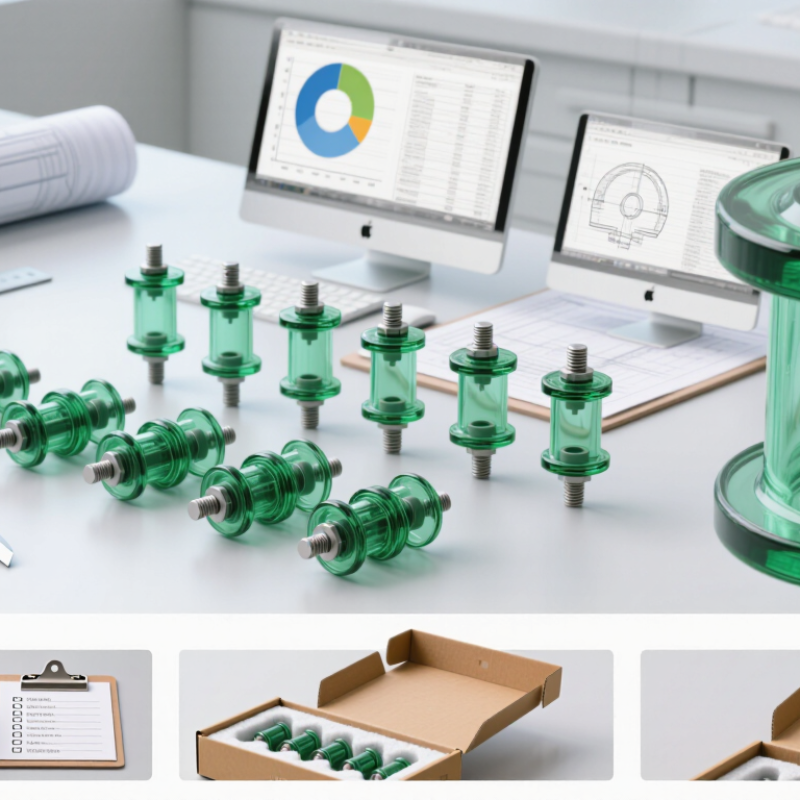
CTV 254 glass insulators are electrical components designed to support conductors while limiting the flow of current into poles or other structures. Their glass body provides an insulating barrier and allows visible inspection for chips, cracks, or surface damage. “CTV 254” is a type or model designation, but its exact meaning can vary between suppliers. Do not assume the number alone identifies dimensions or electrical ratings. Not a universal standard.

The shape and fittings depend on the intended installation. Before purchasing, confirm the insulator’s voltage class, mechanical load rating, dimensions, mounting method, and compatibility with existing hardware. Ask the seller for a specification sheet or engineering drawing. Electrical equipment suppliers and specialist insulator distributors may carry suitable units; utility surplus can be another source, but condition and traceability deserve careful checking. A clean-looking surface is not proof of safe performance.

Tips: Compare the product drawing with your site measurements. Check for hairline cracks under good lighting, and request inspection records for used parts. If the application or rating is unclear, have a qualified electrical professional verify the selection. I would not rely on appearance alone.

Key Specifications and Common Applications

When evaluating a CTV 254 glass insulator, check the specification sheet rather than relying on the model code alone. Naming conventions can differ between suppliers. Confirm the unit’s dimensions, creepage distance, rated mechanical failing load, and electrical withstand values. These figures help determine whether it suits the line voltage and local pollution conditions. Ask for routine and type-test records, plus details of the applicable test standards. Small differences matter.

The insulator’s toughened glass body and metal end fittings are designed for suspension strings on overhead power lines. Similar units may be used at substations, depending on the system design and required insulation level. In coastal or industrial areas, longer creepage distance can help address surface contamination, but it does not replace proper maintenance. Look for consistent glass quality, secure fittings, clear traceability, and protective packaging that prevents chips during transport. When sourcing, compare technical documents and inspection support from established electrical-equipment suppliers. A low price alone tells little. I would still verify that the offered configuration matches the actual string design before ordering.

How to Identify Qualified Chinese Manufacturers

Where to Buy China Top CTV 254 Glass Insulators?

When evaluating Chinese manufacturers, start with the exact CTV 254 requirements for your project. Confirm dimensions, creepage distance, voltage rating, and mechanical load in writing. Ask whether the manufacturer can provide current test reports, material specifications, and batch traceability. Check that documents describe the same product and production site you are considering. A clear answer matters. A polished catalog alone is not proof of consistent quality.

Tips: Request a recent sample, inspection records, and photos of the production line. Compare labels and measurements with the drawings. Keep the questions specific.

Look for quality controls at each stage, including glass forming, annealing, glazing, and final inspection. Ask how defects are recorded and what happens when a batch fails. If possible, arrange an independent pre-shipment inspection or verify test results with a qualified laboratory. Looks can mislead. One detail is easy to miss: confirm packaging protects the units from impact during transit. Compare several suppliers on technical evidence, communication, and lead-time transparency, not price alone. Some records may need clarification, so allow time to review them before placing a large order.

Where to Buy China Top CTV 254 Glass Insulators? — How to Identify Qualified Chinese Manufacturers

Evaluation Dimension What to Check Evidence to Request or Verify
Product identification Confirm what “CTV 254” means in the supplier’s technical documentation. Model codes are not, by themselves, a universal definition of voltage class, dimensions, or performance. Controlled product drawing, datasheet, model designation, and a written confirmation that the offered design matches the purchaser’s specification.
Applicable standard Check that the stated design and tests correspond to the applicable standard and edition. IEC 60383-1 covers tests on ceramic or glass insulator units for overhead lines with a nominal voltage greater than 1,000 V. Standard numbers and editions on the quotation, technical file, and test reports. Confirm any required national or project-specific standards separately.
Electrical ratings Compare the specified system voltage, power-frequency withstand performance, and impulse withstand performance with the project requirements. These values cannot be reliably inferred from “254” alone. Datasheet listing rated or specified electrical values, test conditions, and the corresponding type-test results.
Dimensions and creepage distance Verify the dimensions on the approved drawing, including overall height, maximum diameter, creepage distance, and the required metal fitting or coupling dimensions. Dimensioned drawing with tolerances and measurement records for production samples. Confirm pollution-class and creepage requirements with the project specification.
Mechanical performance Check the specified mechanical failing load and any required routine or sampling tests. The acceptance value must come from the applicable design specification, not a generic model-name assumption. Type-test and routine-test records identifying the tested design, load value, test method, date, and acceptance criteria.
Glass and fitting quality Inspect the glass body for visible defects and check that cementing or assembly, metal fittings, and interfaces meet the approved design and workmanship requirements. Documented incoming-material, in-process, and final-inspection procedures; sample inspection; and traceable inspection records.
Type-test documentation Ensure the reports cover the exact insulator design or a documented design family with technically justified equivalence. A certificate alone may not establish that the offered product was tested. Complete reports from a competent laboratory, including sample identification, test methods, results, and report dates. Obtain permission to verify report authenticity where applicable.
Production quality control Assess how the manufacturer controls process consistency, nonconforming products, corrective actions, and inspection equipment calibration. Quality-management-system certificate with scope and validity verified with its issuer, plus relevant production and calibration records. Certification does not replace product testing.
Traceability and marking Check whether finished units can be traced to production batches and inspection records, and whether marking is consistent with the approved drawing and purchase requirements. Sample markings, batch records, inspection reports, and a documented method for linking each shipment to its production lot.
Factory assessment Review whether the facility has suitable manufacturing, testing, inspection, and packing processes for the specified product. Verify the actual production site rather than relying only on a trading address. Factory audit or independent inspection report, process overview, equipment list, and confirmation of the manufacturing location and scope.
Packaging and shipment Confirm packaging protects glass units and fittings from impact, abrasion, moisture, and movement during handling and transport. Packaging specification, photographs of packed goods, shipment inspection plan, and agreed marking and document requirements.
Supplier comparison Compare offers on the same approved drawing, ratings, standards, inspection level, delivery terms, and required documentation. A low price is not evidence of technical equivalence. Completed compliance matrix, itemized quotation, deviations list, production lead time, warranty terms, and pre-shipment inspection agreement.

Important: The designation “CTV 254” alone does not establish a universal set of ratings or dimensions. Confirm all technical values against the approved drawing, applicable standard, and project specification before placing an order.

Where to Find Reliable CTV 254 Suppliers in China

When searching for reliable CTV 254 suppliers in China, start with verifiable production evidence, not a polished catalogue. Request the current product drawing, dimensions, creepage distance, material details, and a written inspection plan. Ask for recent type-test and routine-test records, with sample numbers that match the proposed product. Check whether the supplier can trace each shipment to production and inspection records. Ask for close-up photos of glass surfaces and fittings, plus packing details for the route to your destination. Small chips or unclear marking can become costly problems.

There is a wider reason to check capacity carefully. The International Energy Agency’s 2023 report, Electricity Grids and Secure Energy Transitions, estimates that over 80 million kilometres of grids need to be added or refurbished by 2040. This points to sustained demand for grid components, but it does not prove any individual supplier is dependable. Ask to speak with technical staff, compare the sample against the approved drawing, and arrange an independent inspection when order value or risk warrants it. That matters. I would not treat one attractive sample as proof; that is an easy mistake. Confirm lead times, defect handling, and document consistency before placing an order.

How to Verify Product Quality and Certifications

When sourcing CTV 254 glass insulators from China, verify the product against your technical drawing and operating requirements. Ask for the exact model, dimensions, rated values, and applicable test criteria in writing. Do not rely on a product photo. Request clear images of the glass surface, metal fittings, and identification marks. Look for chips, cracks, uneven surfaces, or loose hardware. Small flaws matter.

Check that certificates and test reports identify the same model and manufacturing site you are buying from. Confirm the issuing laboratory, report date, test scope, and standard edition. Where possible, verify documents directly with the issuing organization. A certificate alone does not prove that every shipment matches the tested sample. That gap is easy to miss. Ask for batch-level inspection records, traceability details, and recent electrical and dimensional test results. A pre-shipment inspection or independent laboratory test can provide another useful check. Compare a sample with the approved drawing before placing a large order. No inspection catches everything, and paperwork can be incomplete; record unanswered questions and resolve them before payment.

Ordering, Shipping, and Import Considerations

For CTV 254 glass insulators, request a dated quotation that states unit price, minimum order, production lead time, and packing method. Ask for a drawing confirming dimensions, tolerances, electrical ratings, and mechanical strength. Request inspection records and applicable test reports before approving production. Small mismatches matter.

Shipping deserves equal attention. UNCTAD’s Review of Maritime Transport 2024 reports that global maritime trade grew 2.4% in 2023, while warning of ongoing route disruptions and uncertainty. For fragile glass units, specify individual separators, strong export crates, moisture protection, and clear handling marks. Confirm gross weight and crate dimensions before booking; they affect freight costs and loading plans. A pre-shipment photo helps, but it cannot replace inspection.

Agree on the Incoterms rule, named delivery point, insurance responsibility, and document list in writing. Check the likely customs classification and import duties with a qualified broker in your destination country; treatment can vary by jurisdiction and product details. Keep the commercial invoice, packing list, transport document, and origin paperwork consistent. One detail is easy to miss: the product description should match across every document. Still, even careful paperwork cannot prevent every delay, so leave schedule room for customs review and port handling.

FAQS

What details should I confirm before requesting a quote?

Share the required dimensions, creepage distance, voltage rating, and mechanical load. Get the specifications in writing.

Which documents should I request from a supplier?

Ask for current product drawings, material specifications, test reports, and an inspection plan. Check that each document names the same model and production site.

How can I check whether a sample matches the approved design?

Compare its measurements, labels, glass surface, and metal fittings with the approved drawing. Look closely for chips, cracks, or loose hardware. Small flaws matter.

What should I check in test reports and certificates?

Review the model, manufacturing site, issuing laboratory, report date, test scope, and standard edition. Verify documents with the issuing organization when possible.

Do certificates prove that every shipment will meet requirements?

No. A certificate may describe a tested sample, not every production batch. Request batch-level inspection records and traceability details.

How can I assess a supplier’s quality controls?

Ask how defects are recorded during forming, annealing, glazing, and final inspection. Find out what happens when a batch fails.

Is an independent inspection worth arranging?

It can help, especially for larger or higher-risk orders. Compare the sample with the approved drawing, and consider checking test results with a qualified laboratory. No inspection catches everything.

What practical details are easy to overlook before ordering?

Confirm lead times, defect handling, and protective packaging for transit. Request close-up photos of surfaces and fittings. I may be overchecking, but unclear records deserve follow-up.

Conclusion

CTV 254 glass insulators are components used in electrical networks to support conductors and provide insulation under specified operating conditions. When comparing products, buyers should review key details such as dimensions, rated voltage, mechanical strength, material quality, and suitability for the intended application. The term Ctv 254 Isolator En Verre may also appear in supplier searches, but product descriptions and technical documents should be checked carefully to confirm that they refer to the required type and specification.

To find reliable Chinese suppliers, assess their manufacturing experience, production capabilities, quality-control procedures, and willingness to provide clear technical information. Request samples or inspection records where appropriate, and verify applicable certifications and test documentation with the issuing organizations. Before ordering, agree on product specifications, quantity, packaging, delivery schedule, payment terms, and inspection arrangements. Also confirm shipping options, export documents, import requirements, and any duties or fees relevant to the destination. These steps can help buyers compare offers and reduce misunderstandings throughout sourcing and delivery.


Evelyn

Evelyn

Evelyn is a dedicated marketing professional at Jiangxi QOCl Electric Co. Ltd., a company established in December 2002 in Jiangxi Province, China. With a deep understanding of the industry, Evelyn excels in promoting the company's advanced glass insulators and innovative circuit insulators. Her......
Previous Why Choose Anti Pollution Glass Insulators?