Leave Your Message
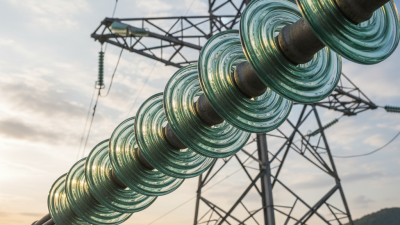
Global buyers run into a pretty simple problem when the weather turns nasty: moisture can spread across an Insulator’s surface, hiding defects and making inspections feel less reliable. An Anti-Fog Glass Insulator is meant to keep visibility clearer in coastal air, mountain fog, and those sudden temperature swings. Its glass body also gives you a visible condition check after it’s installed. And yes, even small surface marks matter.
Elena Brooks, a transmission-insulation engineer at Northline Grid Materials, puts it this way: “A reliable insulator should still make sense when the weather gets rough.” That’s a field-tested view, not marketing fluff. Buyers should look at fog performance, mechanical strength, thermal resistance, and verified electrical ratings. Product drawings need to match the actual samples. Testing reports should come from competent labs with traceable methods.
Global sourcing is more than just comparing unit prices. A supplier should be able to explain glass composition, cementing procedures, inspection controls, packaging methods, and replacement support. Anti-Fog Glass Insulator products may reduce visual maintenance risks, but they don’t cure every line failure. Bad installation, contamination, and wrong hardware can still cause serious problems. That limitation deserves attention. Asking for batch records and factory audit evidence can boost purchasing confidence. Site conditions matter, too. Salt spray, freezing rain, dust, and UV exposure should shape the specification. Experienced buyers often start with a sample inspection, then confirm performance through documented tests. It takes longer. But it can prevent expensive surprises.

What Are Anti-Fog Glass Insulators?
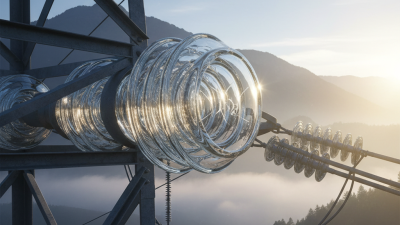
Anti-fog glass insulators are toughened-glass units designed for humid, polluted, and coastal transmission environments. Their shed profile helps reduce water bridging across the surface. Larger creepage distances also separate conductive pollution paths. During fog, salt, dust, or industrial deposits can combine with moisture and create leakage current. The term “anti-fog” is not perfect. It describes improved wet-pollution performance, not total immunity.
CIGRE Technical Brochure 518 identifies wetting, surface deposits, and pollution severity as key factors in external insulation design. IEC 60815-1 also recommends selecting Creepage Distances according to the site pollution level. These standards matter during global sourcing. The International Energy Agency’s Electricity 2024 report recorded 2.2% global electricity-demand growth in 2023. It expects average annual growth of about 3.2% from 2024 to 2026. More energized networks may require stronger inspection and insulation planning. Glass offers visible damage detection because punctures and cracks are easier to identify. Still, poor packing can create hidden edge damage.
Tips: Ask suppliers for type-test records, pollution-performance evidence, and dimensional drawings. Confirm the glass’s mechanical rating, creepage distance, fitting material, and batch traceability. Request samples before large orders. A beautiful catalogue image proves very little. Evaluate salt spray, fog exposure, transport vibration, and local maintenance conditions together.
| Evaluation Category | Data Dimension | Typical Technical Information | Global Sourcing Consideration |
|---|---|---|---|
| Product Definition | Basic construction | Toughened glass insulating body with metal fittings and a cement or composite connection system | Confirm the glass type, fitting material, connection design, and applicable product drawings before requesting quotations. |
| Anti-Fog Performance | Surface behavior in humid conditions | Designed to reduce the formation or persistence of visible condensation and moisture-related surface contamination | “Anti-fog” should be defined in the purchase specification because performance depends on surface treatment, geometry, temperature, humidity, and contamination level. |
| Electrical Rating | Rated voltage range | Common transmission and distribution applications range from medium-voltage systems to extra-high-voltage systems, depending on the string design | Specify the system voltage, highest system voltage, insulation level, and required string configuration rather than selecting by voltage alone. |
| Insulation Design | Creepage distance | Selected according to operating voltage, pollution severity, altitude, and required creepage class; values are project-specific | Use the applicable pollution-class requirements and request verified creepage drawings for coastal, industrial, or desert installations. |
| Mechanical Capacity | Rated mechanical load | Specified by the insulator design and fitting arrangement; common disc-insulator ratings are expressed in kilonewtons | Match the rated mechanical load to conductor tension, wind loading, ice loading, safety factors, and the strength of the complete string assembly. |
| Material Property | Glass condition after failure | Toughened glass is designed to fracture into small granular pieces when its dielectric body fails | This failure mode can make visual inspection easier and reduce the risk associated with large sharp fragments, subject to the relevant standard and design. |
| Environmental Resistance | Weather exposure | Suitable designs provide resistance to rain, ultraviolet exposure, temperature variation, and atmospheric contamination | Ask for evidence covering thermal shock, weathering, corrosion protection, and pollution performance for the intended installation environment. |
| Operating Temperature | Temperature range | The allowable range is design- and material-dependent; outdoor overhead-line products are generally engineered for wide ambient temperature variation | State the minimum and maximum site temperatures, solar exposure, rapid temperature changes, and any special climatic requirements. |
| Metal Fittings | Corrosion protection | Galvanized or otherwise protected ferrous fittings are commonly used for outdoor line insulators | Define coating requirements, coating thickness, fastener material, salt-spray expectations, and compatibility with the supporting hardware. |
| Standards & Testing | Qualification and routine tests | Typical verification includes visual inspection, mechanical tests, electrical tests, dimensional checks, and thermal or environmental evaluations as applicable | Identify the required edition of the applicable IEC, regional, or utility specification and request test reports that correspond to the supplied design. |
| Quality Control | Traceability records | Batch identification, inspection records, material certificates, and final acceptance documentation can be maintained for each shipment | Include serial or batch marking, sampling plans, nonconformance procedures, and document retention requirements in the purchase contract. |
| Logistics | Packaging requirements | Shock-resistant packaging with separators and moisture protection is recommended for glass components during international transport | Confirm pallet dimensions, gross weight, stacking limits, export packaging, loading method, and inspection procedures for transit damage. |
| Lifecycle Value | Maintenance benefits | Glass surfaces are non-porous and can support visual inspection; the actual maintenance interval depends on contamination and site conditions | Evaluate total cost of ownership, including washing frequency, inspection access, replacement procedures, outage costs, and spare-unit requirements. |
| Procurement | Recommended quotation data | Voltage class, creepage distance, mechanical load, coupling type, dimensions, anti-fog requirement, test standard, quantity, and destination | A complete technical schedule helps suppliers quote equivalent products and reduces the risk of receiving non-comparable offers. |
Note: Technical values for anti-fog glass insulators vary by design, voltage level, environmental conditions, and applicable standards. Final selection should be based on the approved project specification and verified test documentation.
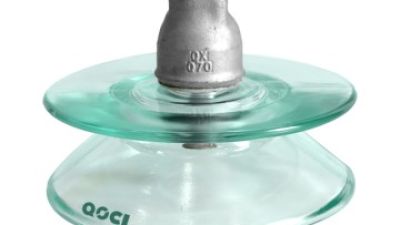
As electricity networks expand to meet rising demand, high-voltage insulation must deliver dependable performance under increasingly severe environmental conditions. The IEA’s *Electricity 2024* report projects global electricity demand to grow by an average of 3.4% annually through 2026, increasing pressure on transmission infrastructure and maintenance teams. The U70BLD external double-shed glass insulator is designed for this operating environment, providing IEC-compliant insulation performance for high-voltage lines while supporting stable mechanical and electrical protection.
Its two-layer shed structure combines an extended creepage distance with effective self-cleaning behavior. The additional surface path helps reduce leakage-current risks in coastal, industrial, and dusty regions, while the shed geometry encourages rainwater to wash away accumulated contaminants. These characteristics are particularly valuable in heavily polluted areas, where insulation surface deposits can increase flashover risk and accelerate maintenance requirements. In line with the design principles addressed by IEC 60815 for polluted-environment insulation selection, the U70BLD configuration supports more reliable clearance management without requiring excessive increases in installation space.
Glass construction also enables clear visual inspection, allowing operators to identify damage or abnormal conditions during routine line checks. With its double-shed profile, long creepage distance, and suitability for demanding outdoor service, the U70BLD offers a practical solution for transmission and distribution projects seeking durable insulation protection under changing grid conditions.
They manage moisture on the glass surface. Extended sheds break continuous water paths. This increases the creepage distance between energized and grounded parts. Fog remains present. The electrical path becomes less continuous.
Tiny droplets may join into a conductive film. Salt, dust, and industrial particles can strengthen that film. Leakage current may travel across the surface. Flashover risk can then increase. Pollution makes fog more serious.
No, they do not stop fog. Their purpose is more practical. They help moisture drain and remain in separate patches. Surface treatments may also reduce water retention. The result depends on local conditions.
They can help in coastal, industrial, and humid areas. Salt spray may collect under the sheds. Factory particles can mix with condensation. High humidity adds another challenge. Site evidence matters more than a product label.
They may reduce surface moisture films and leakage-current paths. This can lower surface flashover risk. Extended sheds also increase the creepage distance. However, geometry alone cannot solve heavy pollution. Installation quality still matters.
They should review humidity, salt exposure, altitude, and washing conditions. Creepage distance must match the local pollution severity. Mechanical load and thermal cycling also need checking. A laboratory result is useful, but incomplete. Field conditions can be rougher.
Request certified test records and material checks. Ask for test voltage, pollution level, and leakage-current data. Aging results should also be available. Batch traceability adds useful control. Attractive wording is not enough.
Toughened glass may show visible mechanical breakage. This can help patrol teams locate damaged units quickly. Inspectors should still check fittings and surrounding hardware. Small defects may alter performance. Visual inspection is helpful, not perfect.
They should not assume “anti-fog” guarantees safe operation everywhere. A humid port differs from a dusty inland site. Uneven contamination can create unexpected stress. Independent, climate-based validation is better. We may still miss something.
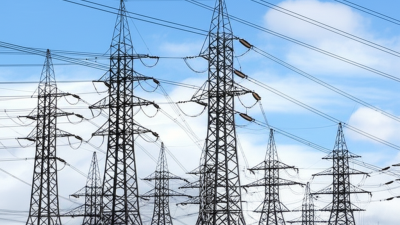
Anti-Fog Glass Insulators are engineered for overhead transmission and distribution systems that operate in humid, rainy, polluted, or rapidly changing weather conditions. Their glass design and optimized shed profile help reduce the accumulation of moisture, dust, salt, and other contaminants on the insulating surface. By supporting more stable insulation performance, they can lower the risk of flashover, improve power reliability, and make visual inspection easier. These insulators are suitable for substations, transmission lines, railway electrification, coastal networks, and other demanding outdoor applications.
For global sourcing, buyers should evaluate electrical and mechanical ratings, material quality, manufacturing consistency, testing procedures, climate suitability, packaging, delivery capability, and technical documentation. Supplier comparisons should consider not only the purchase price but also transportation, installation, maintenance, replacement frequency, and potential outage-related costs. A reliable sourcing decision combines verified product performance, long-term durability, regulatory compliance, responsive communication, and transparent total-cost analysis.