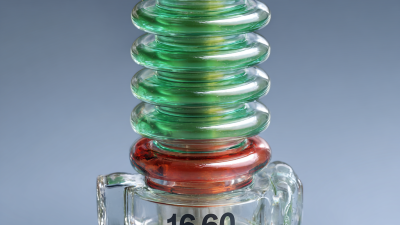
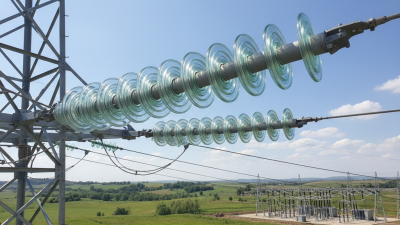
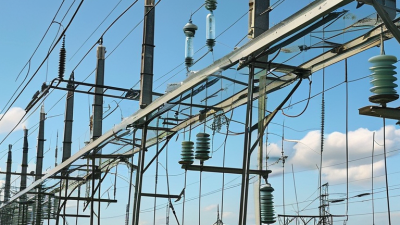
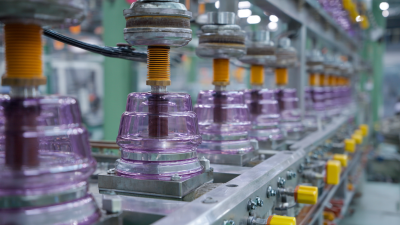
When it comes to choosing a high-voltage isolator for global projects, it’s not just about comparing prices from catalogs. Take the Ctv 255 Isolator En Verre, for example—it's built with Tempered Glass, shows visible damage if something's wrong, and has solid outdoor insulation performance. These little details really matter, especially on transmission towers out in the wild—exposed to rain, salt spray, dust, and those sudden temperature swings.
Dr. Elena Marlowe, an independent high-voltage insulation expert, puts it simply: “A glass isolator needs to prove it can perform consistently—trust isn’t built on shiny specs alone.” That’s a point worth paying attention to. Buyers should dig into the mechanical strength, creepage distance, puncture resistance, and certifications before committing to a supplier. Plus, a clear glass disc can be a real lifesaver—helping maintenance crews spot damage from the ground without climbing up, which means less guesswork during inspections.
And let’s not forget—hands-on field experience is still pretty important.
Good manufacturers should be able to provide traceable test reports, detailed production records, and packaging that’s ready for international shipping. Sometimes, if packaging isn’t up to snuff, tiny cracks can form during transit that you don’t see until later. So, it’s smart to ask for photos of the crates, moisture barriers, and the inspection process. These practical checks often tell you more than glossy brochures ever will.
The Ctv 255 Isolator En Verre might be perfect for tough grid projects, but honestly, no one-size-fits-all solution exists. Coastal substations, desert routes, or high-altitude lines all have different needs. That’s where the buying process can get tricky. Some specs look super impressive but don’t reflect real-world conditions. A savvy buyer should compare lab test results with actual service environments, installation methods, and long-term maintenance plans. Taking that balanced approach helps ensure safer, more reliable grid performance across different markets worldwide.
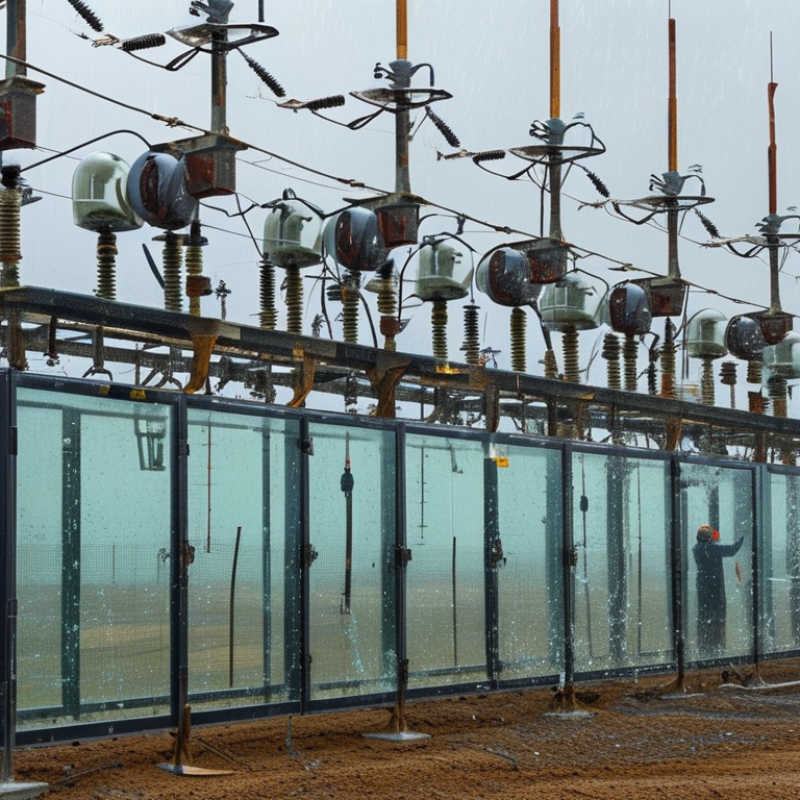
What Is the CTV 255 Glass Isolator?
What Is the CTV 255 Glass Isolator?
A CTV 255 glass isolator is a sealed working enclosure for controlled handling processes. Its transparent glass chamber allows operators to view materials without opening the main environment. Built-in glove ports support manipulation while reducing direct contact with the process area. Airflow systems, filters, pressure controls, and transfer ports help protect products, operators, or both.
The term “CTV 255” may describe a particular configuration, size, or equipment series. It should not be treated as a universal technical standard. Global buyers should request drawings, airflow data, filter specifications, and validation documents. Confirm the glass type, sealing method, glove material, and cleaning access. These details affect daily reliability more than appearance. A clear chamber is useful, but visibility alone does not prove containment performance.
Tips: Compare the complete specification, not only the model code. Ask how pressure is monitored during normal operation. Check whether local electrical requirements are supported. Confirm installation space, spare parts, training, and remote service coverage. One assumption can cause trouble. I would also review factory test records before approving a purchase. Good equipment still needs careful commissioning, routine leak checks, and documented cleaning practices.
How the CTV 255 Design Provides Reliable Electrical Insulation
Why Choose CTV 255 Glass Isolators for Global Buyers?
The CTV 255 design supports reliable electrical insulation through a toughened glass body, metal fittings, and a controlled creepage path. Its smooth glass surface limits dirt retention and allows rain to remove some deposits. Under electrical stress, the glass provides stable dielectric performance without absorbing moisture. IEC 60383-1 requires insulators above 1 kV to pass mechanical, electrical, and thermal tests. These checks matter in coastal, industrial, and high-altitude networks.
Field engineers also value visible failure behavior. If the glass body breaks, the damaged area is usually easy to identify during inspection. That helps maintenance teams find defects before a full string failure occurs. The U.S. Department of Energy’s Quadrennial Energy Review reported that about 70% of American transmission lines were over 25 years old. Aging networks need components that support faster inspection. CIGRE guidance on polluted insulation also stresses creepage distance, contamination severity, and site-specific testing.
The 255 rating should not be treated as a universal answer. Voltage, pollution, wind, altitude, and hardware loading still require review. A larger mechanical rating cannot correct poor system design. That assumption needs checking. For global buyers, consistent dimensions, traceable test records, and documented galvanizing quality are equally important. Small fitting errors can create uneven loading. Reliability is engineered, not simply purchased.
Why Choose CTV 255 Glass Insulators?
How the CTV 255 design provides reliable electrical insulation through the high dielectric strength of toughened glass.
Typical reference values for dielectric strength are shown in megavolts per metre (MV/m). Actual performance varies with material composition, moisture, temperature, surface condition, and test method.
Key Specifications Global Buyers Should Evaluate
Why Choose CTV 255 Glass Isolators for Global Buyers?
When evaluating CTV 255 glass isolators, buyers should begin with verified technical specifications. Confirm the rated voltage, mechanical load, creepage distance, and insulation level. Do not rely only on a product name. Request dimensional drawings, tolerance data, and routine test results. These documents reduce installation risks across different grid conditions.
Glass quality also deserves close attention. A uniform surface should show no cracks, chips, deep scratches, or visible distortion. Check the glass composition, thermal resistance, and resistance to moisture and pollution. The metal fittings should match the required connection method. Corrosion-resistant hardware may be essential in coastal or industrial areas. Packaging matters too. Heavy isolators can suffer hidden damage during long-distance transport.
Tips: Compare samples under natural light. Ask for independent inspection records when possible. Check whether test standards match your project location. A low price can look attractive, but it may hide weaker fittings or incomplete testing. I would not treat a polished surface as proof of reliability. Some defects appear only after thermal cycling or mechanical loading. Buyers should also review traceability, production dates, spare-part availability, and export packaging. Small differences in dimensions can create installation problems, even when the main rating appears correct.
Benefits of CTV 255 Glass Isolators in Power Systems
Why Choose CTV 255 Glass Isolators for Global Buyers?
Benefits of CTV 255 Glass Isolators in Power Systems
CTV 255 glass isolators can support reliable overhead power systems when their mechanical and electrical ratings match the line design. A 255 kN class is suitable for demanding suspension applications, subject to verified project specifications. Toughened glass offers clear visual evidence after puncture failure. The damaged unit usually separates visibly, helping maintenance teams locate faults from the ground. This practical advantage can reduce inspection uncertainty.
The International Energy Agency reported that annual global grid investment must exceed USD 600 billion by 2030 to support secure electricity expansion. That pressure makes durable, inspectable components more valuable. Glass also resists ultraviolet exposure and does not absorb moisture like some organic materials. However, it is not automatically the best choice. Pollution severity, altitude, lightning exposure, hardware quality, and local standards still control performance. A higher mechanical rating alone cannot solve poor system coordination. I would request type-test evidence before approving any purchase.
Tips: Check IEC 60305 compliance, mechanical load records, thermal-cycle results, and salt-fog data. Compare the supplier’s test conditions with the installation site. Confirm packing quality, because chipped glass may fail before energization. CIGRE technical guidance also supports condition-based inspection and disciplined failure recording. Keep those records. They reveal patterns that a catalogue rarely shows.
Quality Standards and Certifications to Verify
For global buyers, CTV 255 glass isolators should be judged by verified standards, not appearance alone. Glass may look flawless under warehouse lighting, yet hidden defects can affect mechanical strength. IEC 60383-1 is a key reference for ceramic and glass insulators used on overhead lines above 1,000 volts. Request evidence of type, design, and routine tests. Check mechanical failing load, power-frequency withstand, impulse withstand, and visual inspection results.
The IEA’s Electricity Grids and Secure Energy Transitions report estimates that annual grid investment must exceed 600 billion US dollars by 2030. This growth increases demand for traceable components and dependable testing. Confirm that the manufacturer operates an ISO 9001 quality system. More importantly, verify whether test laboratories hold ISO/IEC 17025 accreditation. A certificate alone is not proof of field durability. I would also compare the certificate scope, testing date, sample identification, and production batch. Small mismatches deserve questions.
Tips: Ask for the original test report, not only a scanned certificate. Match the CTV 255 drawing with creepage distance, dimensions, and specified mechanical load. Check batch numbers on crates and inspection records. Confirm packaging protects glass surfaces during sea transport. One practical detail is often missed: request photographs of markings before shipment. Standards help, but site pollution, salt deposits, temperature changes, and installation handling still influence service life. That part requires honest review.
Installation, Maintenance, and Handling Requirements
Why Choose CTV 255 Glass Isolators for Global Buyers?
CTV 255 glass isolators support dependable overhead-line insulation when installation discipline is maintained. Their transparent bodies can reveal cracks, chips, or internal damage during inspection. That visibility is useful in remote substations and difficult climates. The International Energy Agency’s Electricity Grids report (2023) states that annual grid investment must rise from about 300 billion dollars to over 600 billion dollars by 2030. Longer service life therefore matters. However, the insulator alone cannot guarantee reliability. IEC 60383-1 testing requirements should be checked alongside the approved technical drawing.
Installation needs clean contact surfaces, correct hardware, and controlled tightening. Workers should never strike the glass with tools. Small impacts may create damage that appears months later. Confirm creepage distance, conductor alignment, and fitting compatibility before energizing. Keep units in dry, cushioned storage. Do not stack them directly on rough floors. A field mistake I often see is removing protective packaging too early. Dust then settles inside fittings and complicates final checks.
Tips: Use padded lifting equipment and inspect every unit before installation. Record batch details, torque values, weather conditions, and photographs. During maintenance, look for cracks, discharge marks, corrosion, contamination, and loose fittings. Thermal imaging can support inspections, but it cannot replace close visual checks. Never clean energized equipment without a documented procedure and qualified personnel. A perfect checklist still fails when handling becomes rushed. Perhaps the most overlooked requirement is simple: stop work after an impact, even when no damage is visible.
How to Select a Reliable CTV 255 Supplier
Selecting a reliable CTV 255 supplier requires more than comparing unit prices. These glass isolators support outdoor electrical systems. Weather, vibration, and contamination can test every component. Ask for technical drawings, rated values, glass composition, and applicable testing standards. A serious supplier explains tolerances clearly. Vague answers are warning signs.
Request recent inspection records for mechanical strength, electrical performance, thermal shock, and visual defects. Confirm whether testing happens in-house or through an independent laboratory. Each batch should have traceable markings. These markings should connect with production and inspection records. Check the fittings carefully. Uneven cement, chips, or hairline cracks may create installation problems. Packaging also matters. Dividers, moisture protection, and strong crates help reduce shipping damage.
Before placing a large order, purchase samples and compare them with the approved drawing. Review lead time, minimum order quantity, replacement policy, and export documents. Visit the factory remotely or in person when possible. Ask how rejected pieces are controlled, not only how many units they produce. No supplier is perfect. Visible corrective action matters more than polished promises. A low quote may look attractive, but inconsistent batches can cause delays, rework, and field failures.
FAQS
They provide strong mechanical support for demanding suspension applications. Toughened glass also offers useful electrical insulation. The rating must match the complete line design.
Punctured glass usually separates visibly after failure. Crews may locate damaged units from the ground. That reduces uncertainty during remote inspections.
No. Pollution, altitude, lightning, hardware quality, and local standards still matter. A strong isolator cannot correct poor system coordination.
Request mechanical load records, thermal-cycle results, and salt-fog data. Check compliance with applicable technical standards. Compare test conditions with the installation site.
Keep them dry and cushioned. Do not place units directly on rough floors. Protect the glass from chips, dust, and accidental impacts.
Use clean contact surfaces and compatible hardware. Tighten fittings under controlled conditions. Never strike the glass with tools. Small impacts can appear harmless.
Check for cracks, chips, fitting damage, correct creepage distance, and conductor alignment. Inspect every unit individually. Rushing this step is a poor trade.
Record batch details, torque values, weather conditions, and photographs. Look for cracks, discharge marks, corrosion, contamination, and loose fittings. Thermal imaging helps, but it is not enough.
Stop work immediately and inspect the unit carefully. Replace questionable components when necessary. Invisible damage is still damage, perhaps.
Conclusion
The Ctv 255 Isolator En Verre is designed to provide dependable electrical insulation and mechanical support in power transmission and distribution systems. Its glass construction can offer strong resistance to environmental aging, temperature changes, moisture, and surface contamination when properly specified. Global buyers should evaluate key factors such as rated voltage, mechanical strength, creepage distance, dimensional accuracy, operating temperature, and compatibility with existing hardware. These specifications help ensure safe performance, long service life, and stable system operation.
Before purchasing, buyers should verify applicable quality standards, testing records, material traceability, and certification documents. Proper installation requires careful handling to prevent chips, cracks, or impact damage, while routine inspections should check for contamination, corrosion, and visible defects. Selecting a reliable supplier also involves reviewing production capabilities, quality-control procedures, export experience, packaging methods, technical support, and delivery consistency. A well-qualified supplier can help confirm that the isolator meets project requirements and remains dependable throughout its service life.