Leave Your Message
0%

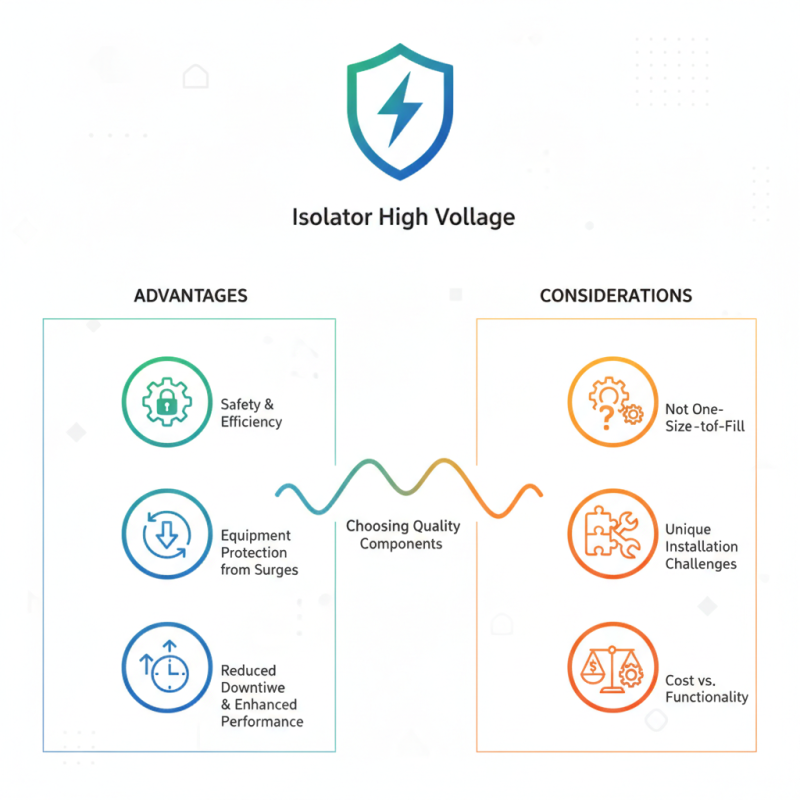
You know, in the always-changing world of electrical engineering, picking out good quality components is super important. Take Isolator High Voltage systems, for example — they really bring some solid benefits for a bunch of different applications. These devices don’t just keep things running smoothly; they also keep everything safe, which makes them pretty much essential for any electrical setup, honestly.

Using an Isolator High Voltage can actually help protect your equipment from those annoying, sometimes damaging surges. And because they’re reliable, you end up with less downtime, which is huge for maintaining good performance. More and more industries are starting to see just how important it is to go with these systems. But here’s the thing — you’ve gotta really understand what your specific needs are before jumping in.

Now, even though Isolator High Voltage solutions are pretty sturdy, they’re not exactly a one-size-fits-all fix. Every setup’s different and comes with its own unique challenges, so it’s worth giving some serious thought to what you really need. Sometimes, the perks aren’t obvious right away, and it can be a bit tricky to find that perfect balance between cost and what you get. It’s definitely one of those situations where you gotta think carefully to make the best call.
Why Choose Isolator High Voltage for Your Electrical Needs?

Understanding High Voltage Isolators: Key Features and Benefits

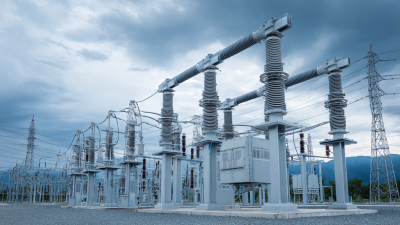
High Voltage Isolators are essential in modern electrical systems. They ensure safety and reliability in various applications. These devices separate electrical circuits, which helps prevent short circuits and other failures. Their ability to handle high voltage levels makes them crucial for utilities, industrial settings, and renewable energy sources.

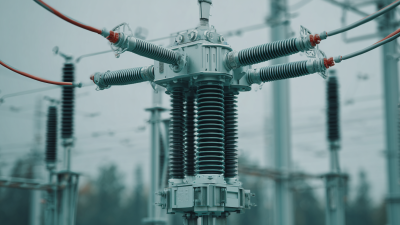
One of the key features of high voltage isolators is their robust construction. Typically made from durable materials, these isolators can withstand harsh environmental conditions. They often include additional safety features like visual indicators. This allows operators to verify the status of the isolator at a glance. However, improper installation or maintenance can lead to failures. Regular inspections and updates to protocols are necessary.

Another important benefit is improved electrical efficiency. High voltage isolators minimize power losses during transmission. This efficiency is particularly critical in energy management. Minimizing energy loss translates to cost savings. Yet, not all isolator installations yield optimal results. It’s essential to choose the right type based on specific needs. Therefore, understanding the unique requirements of your electrical system is vital. Each application may present different challenges and opportunities for improvement.

High Voltage Isolators: Key Features and Benefits

This bar chart illustrates the key features of high voltage isolators, including their voltage rating, insulation resistance, weight, and operating temperature range. These attributes highlight the importance of isolators in ensuring electrical safety and reliability.

Applications of Isolator High Voltage in Various Industries

Isolator high voltage systems are crucial across various industries. In power generation, these systems ensure safe electrical isolation. They protect equipment and personnel from unexpected surges. According to industry reports, the global demand for high voltage isolators is projected to grow at a CAGR of 5.2% from 2023 to 2030.

In the manufacturing sector, isolator high voltage plays a vital role. These systems are used in electric furnaces and induction heating processes. Their reliability improves productivity and minimizes downtime. In fact, organizations that employ these systems report a 15% increase in operational efficiency. However, it’s essential to frequently evaluate their performance, as improper maintenance can lead to failures.

Moreover, the renewable energy sector has embraced isolator high voltage technologies. Wind farms and solar plants utilize these systems to manage fluctuating energy outputs. As these industries evolve, the need for robust isolators grows. Yet, there’s a need for ongoing training and improvement for technicians. This ensures optimal performance and reduces the risk of errors during installation and operation.

Safety Standards and Compliance for High Voltage Isolators

High voltage isolators serve a crucial role in the electrical industry. They ensure safety and efficiency in power distribution. Compliance with safety standards is vital for any equipment operating at high voltage levels. Isolators must meet strict regulations to minimize risks associated with electrical failures.

Safety standards cover various aspects of isolator design and functionality. These include insulation levels, temperature ratings, and operational reliability. Regular testing and certification help confirm that isolators perform efficiently under high stress. In practice, negligence in adhering to these regulations can lead to severe consequences.

End users should always verify the compliance of their high voltage isolators. Ignoring this can result in equipment failures or safety breaches. This aspect often goes overlooked, leading to costly mistakes. Therefore, awareness of safety standards is essential for maintaining a safe electrical environment. High voltage should not mean high risks when proper protocols are in place.

Why Choose Isolator High Voltage for Your Electrical Needs? - Safety Standards and Compliance for High Voltage Isolators

Dimension Value
Voltage Rating Up to 36kV
Insulation Level Class E (Basic)
Safety Standards IEC 62271
Operation Temperature Range -25°C to 40°C
Protection Class IP66
Lifecycle Over 25 years
Compliance Standards ISO 9001
Maintenance Frequency Every 5 years
Applications Industrial, Commercial, Utilities

Comparative Analysis: Isolator High Voltage vs. Traditional Solutions

Why Choose Isolator High Voltage for Your Electrical Needs?

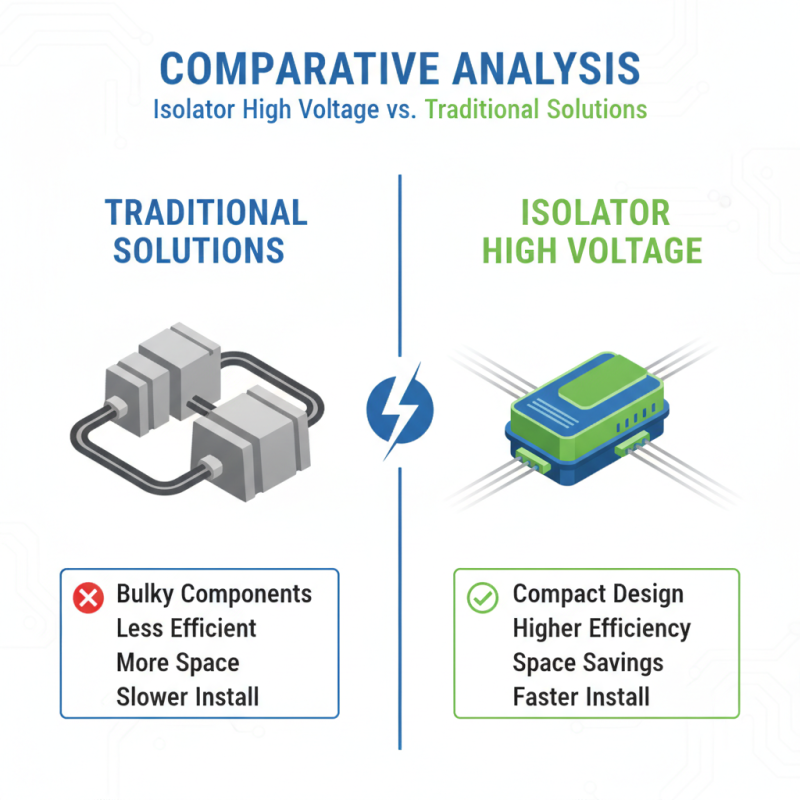
When choosing between Isolator High Voltage solutions and traditional methods, the differences become clear. Traditional systems often rely on bulky components. These can be less efficient. On the other hand, Isolator High Voltage technology provides compact, streamlined designs. This leads to significant space savings. Such designs make installations easier and faster, especially in tight spaces.

Reliability is critical in electrical systems. Traditional solutions may require frequent maintenance. This can lead to operational downtime and increased costs. Isolator High Voltage systems, in contrast, typically have a longer lifespan. They are built to endure high-stress conditions. This durability is essential for industries that can't afford interruptions. However, it’s important to note that initial costs might be higher.

Performance is also a key factor. Isolator High Voltage tends to offer better energy efficiency. This not only lowers utility bills but also reduces environmental impact. However, users should assess their specific needs. High voltage solutions may not be necessary for every application. Evaluating your requirements is important before deciding.

Cost Efficiency and Longevity of High Voltage Isolators

Why Choose Isolator High Voltage for Your Electrical Needs?

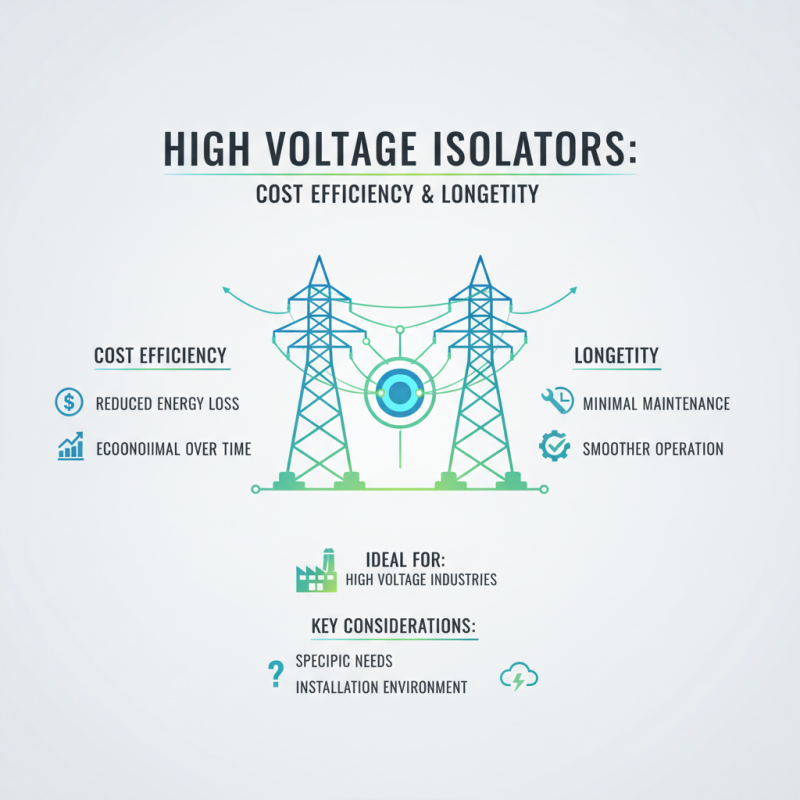
When considering electrical solutions, high voltage isolators stand out for their cost efficiency and durability. These devices significantly reduce energy loss, providing a more economical option over time. Industries that rely on high voltage systems can especially benefit. By minimizing the maintenance needed, they ensure a smoother operation. However, it’s crucial to assess your specific needs and installation environment.

Longevity is another compelling reason to choose high voltage isolators. They are designed to withstand extreme conditions. This makes them reliable in high-demand settings. Yet, not all isolators are created equal. It’s important to research materials and construction quality. Some units may show wear faster than expected, leading to unplanned expenses. Understanding their limitations upfront is key to avoiding future issues.

Installation and Maintenance Best Practices for Isolator High Voltage

When installing Isolator High Voltage equipment, safety should always come first. It's critical to follow the manufacturer's guidelines meticulously. Proper grounding is essential to prevent electrical faults. Ensure that all connections are tight and secure. Regularly check for corrosion, as this can lead to failures. Use insulated tools when working on live installations.


Maintenance of high voltage systems requires vigilance. Schedule routine inspections to identify potential issues early. Look for signs of wear, such as frayed cables or loose fittings. Maintaining cleanliness is vital. Dust and moisture can compromise systems. Training personnel is equally important. They should be familiar with emergency procedures and handling high voltage equipment safely.


Experience shows that even minor oversights can result in significant problems. Sometimes, users hesitate to ask for help due to fear of appearing incompetent. This can be dangerous. Don't underestimate the value of expert advice. Regular training can minimize risks and promote safety in the workplace. Consider establishing a feedback loop to learn from past mistakes, fostering a culture of continuous improvement.

Future Trends in High Voltage Isolation Technology

In the realm of high voltage isolation technology, innovation is paramount. Emerging trends focus on improved safety and efficiency. With electrical systems evolving, advanced materials and designs are crucial. These enhancements promise not only to protect devices but also to ensure reliability in extreme conditions.

Tips: Always assess your specific needs before implementing new high voltage solutions. Research innovations to stay ahead.

One notable trend is the integration of smart technology. Smart isolators can monitor performance and detect faults in real-time. This capability minimizes risks and reduces maintenance costs. However, adapting to these technologies isn't without challenges. Organizations must train their teams to interpret data effectively.

Tips: Choose solutions that provide training and support for your team.

The future also points toward sustainable materials. Eco-friendly isolators are gaining traction. They offer high performance while reducing environmental impact. Yet, transitioning to these materials may require careful planning and investment.

Tips: Evaluate the long-term benefits of sustainable options versus initial costs.

FAQS

: What is the role of high voltage isolators in the electrical industry?

: High voltage isolators ensure safety and efficiency in power distribution.

Why is compliance with safety standards important?

Compliance minimizes risks associated with electrical failures, ensuring safe operation.

What aspects do safety standards cover for high voltage isolators?

They cover insulation levels, temperature ratings, and operational reliability.

How can users verify the compliance of their isolators?

Users should check for proper certifications and conduct regular tests.

What should be prioritized during the installation of high voltage equipment?

Safety is paramount; follow guidelines and ensure proper grounding.

What maintenance practices should be followed for high voltage systems?

Conduct routine inspections, check for wear, and maintain cleanliness.

Why is training personnel essential in maintaining high voltage systems?

Trained personnel understand emergency procedures and handle equipment safely.

What common mistake do users make regarding high voltage equipment?

Users often ignore small issues due to a fear of appearing incompetent.

How can organizations foster a culture of safety?

Establish a feedback loop to learn from past mistakes and promote continuous improvement.

What can happen if safety standards are ignored?

Neglecting safety standards can lead to costly equipment failures and safety breaches.

Conclusion

Isolator High Voltage devices are essential for ensuring safety and reliability in electrical systems across various industries. These high voltage isolators offer key features such as improved efficiency, enhanced safety, and compliance with rigorous safety standards. Their applications range from power generation to telecommunications, where they effectively separate electrical circuits and protect equipment from faults.

A comparative analysis reveals that Isolator High Voltage solutions often outperform traditional methods in terms of cost efficiency and longevity, making them a wise investment for any electrical setup. Best practices for installation and maintenance are crucial to maximizing their benefits, and staying informed about future trends in high voltage isolation technology will further enhance performance and safety in electrical networks.
Charlotte

Charlotte

Charlotte is a dedicated marketing professional at Jiangxi QOCI Electric Co. Ltd., a leading company founded in December 2002 and located in Jiangxi Province, China. With a profound expertise in glass insulators, Charlotte plays a pivotal role in showcasing the company’s innovative products and......
Previous Choosing the Right Ctv Chain Isolator for Your Needs?