

Industry News
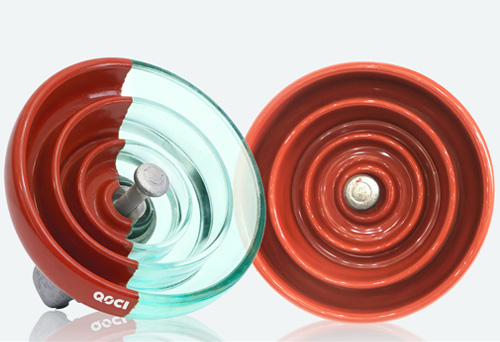
RTV Silicone Coatings: Reliable, Long-Lasting Pollution Performance for Grid Insulators
Combining the hydrophobicity of composite insulators with the durability of porcelain and glass
Comparison of 16A and 16B Ball-and-Socket Couplings for Suspension Insulators
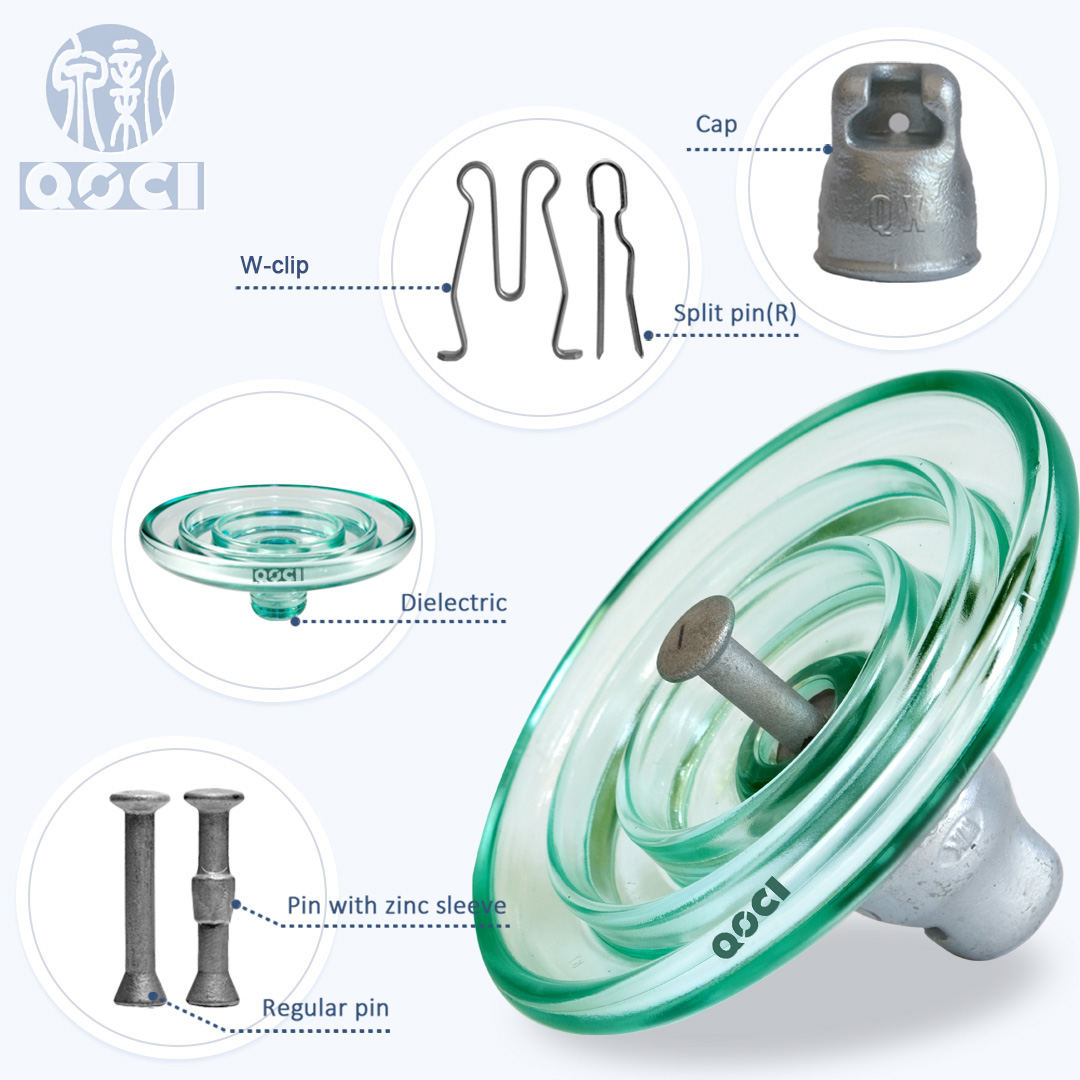
Both Type 16A and Type 16B belong to the designated size 16 ball-and-socket coupling (nominal pin diameter = 16 mm) used in suspension insulator strings for overhead transmission lines. They share the same pin ball (ball-end fitting) — only one type of ball is produced for both. The difference lies entirely in the socket (cap cavity) dimensions, specifically the entry height(H1), socket height (H2), and the locking device thickness (T).
Coupling designations 16A and 16B both belong to coupling size 16 (nominal ball shank diameter 16 mm) under GB/T 4056-2019 / IEC 60120:2020. They share the same ball (pin head), differing only in the socket (cap cavity) dimensions. This document clarifies the applicability of R-type and W-type locking pins to these two socket types.
China’s Insulator Technology: A Mature Portfolio Supporting UHV Projects
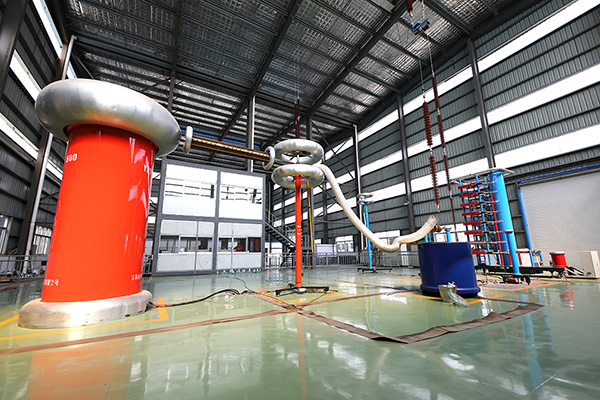
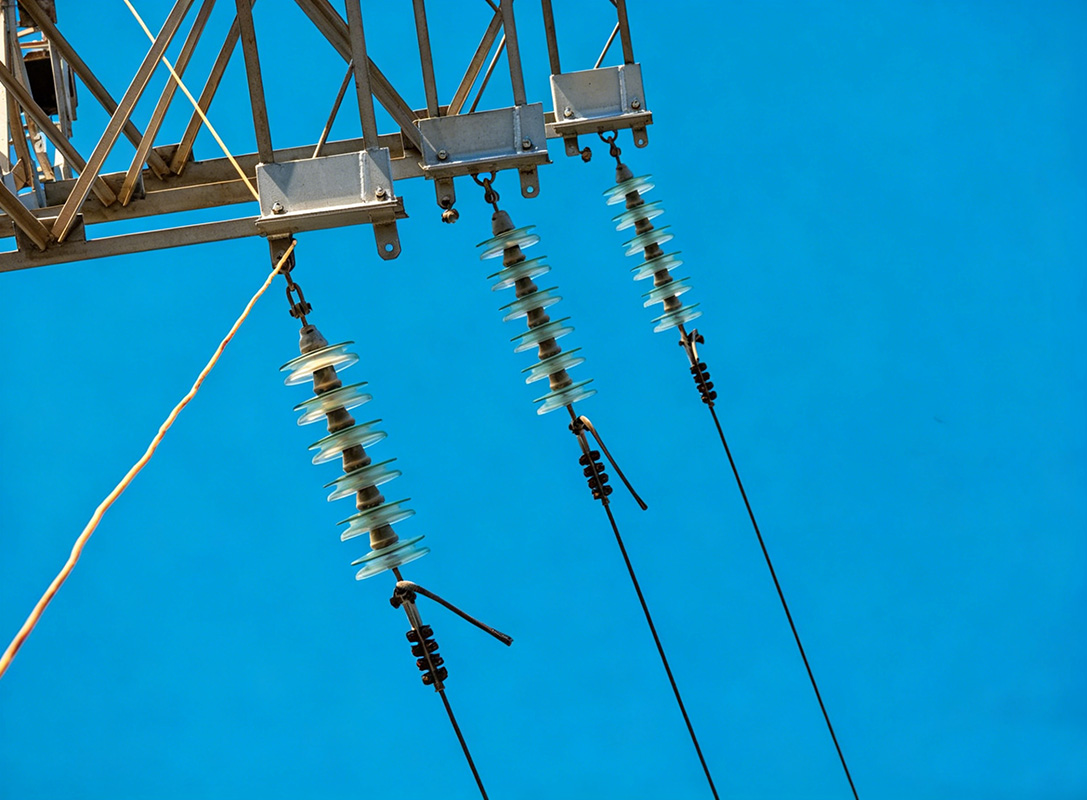
Having withstood extreme environmental conditions including icing, high altitude, pollution, earthquakes and typhoons, China’s insulator industry has developed a mature product portfolio comprising three parallel technology pathways — porcelain, glass and composite. Multiple manufacturing capabilities have reached internationally competitive levels.
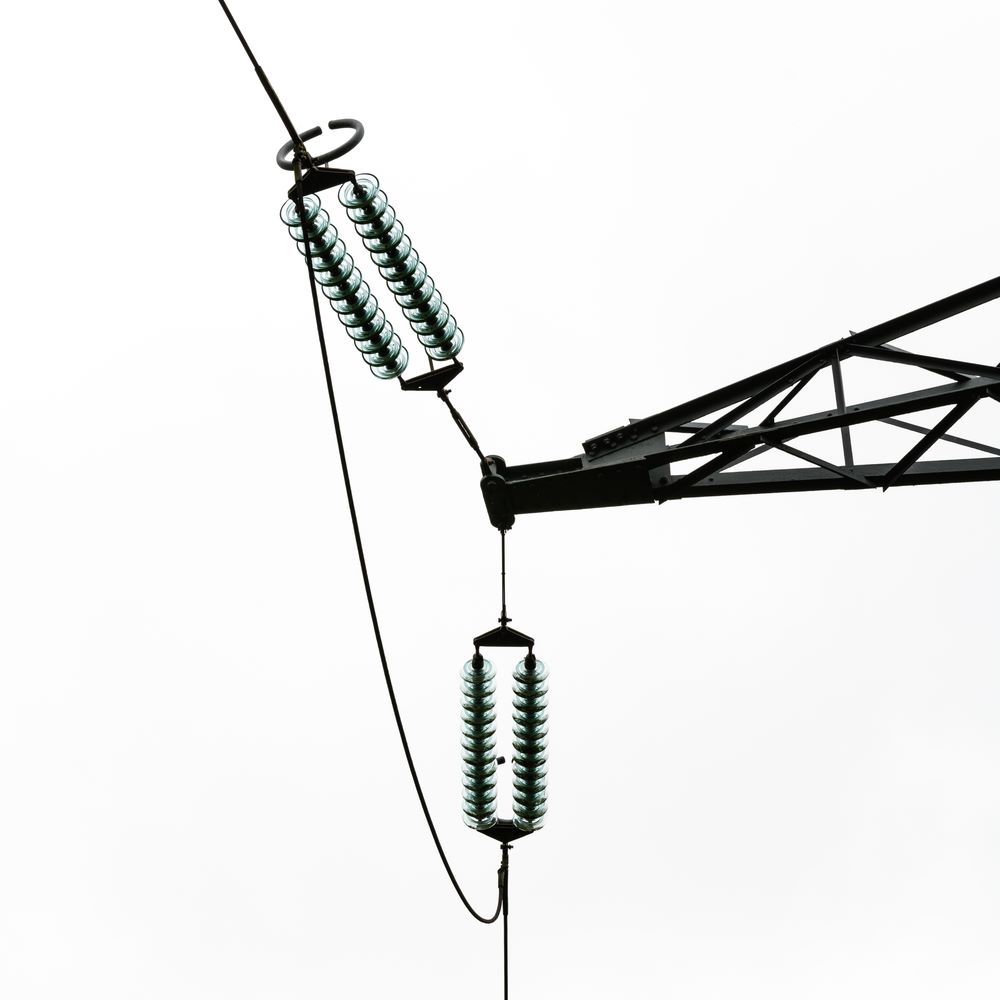
Classification and Applications of Insulators
Classification of Insulators
Insulators can be classified into high-voltage insulators and low-voltage insulators based on their operating voltage.
Insulators can be classified into porcelain insulators, glass insulators, and organic material (epoxy resin cast) insulators based on their manufacturing materials.
Insulators can be categorized into indoor and outdoor types based on their installation locations.
Insulators can be classified into 11 subcategories and 48 series based on their structure and application.