





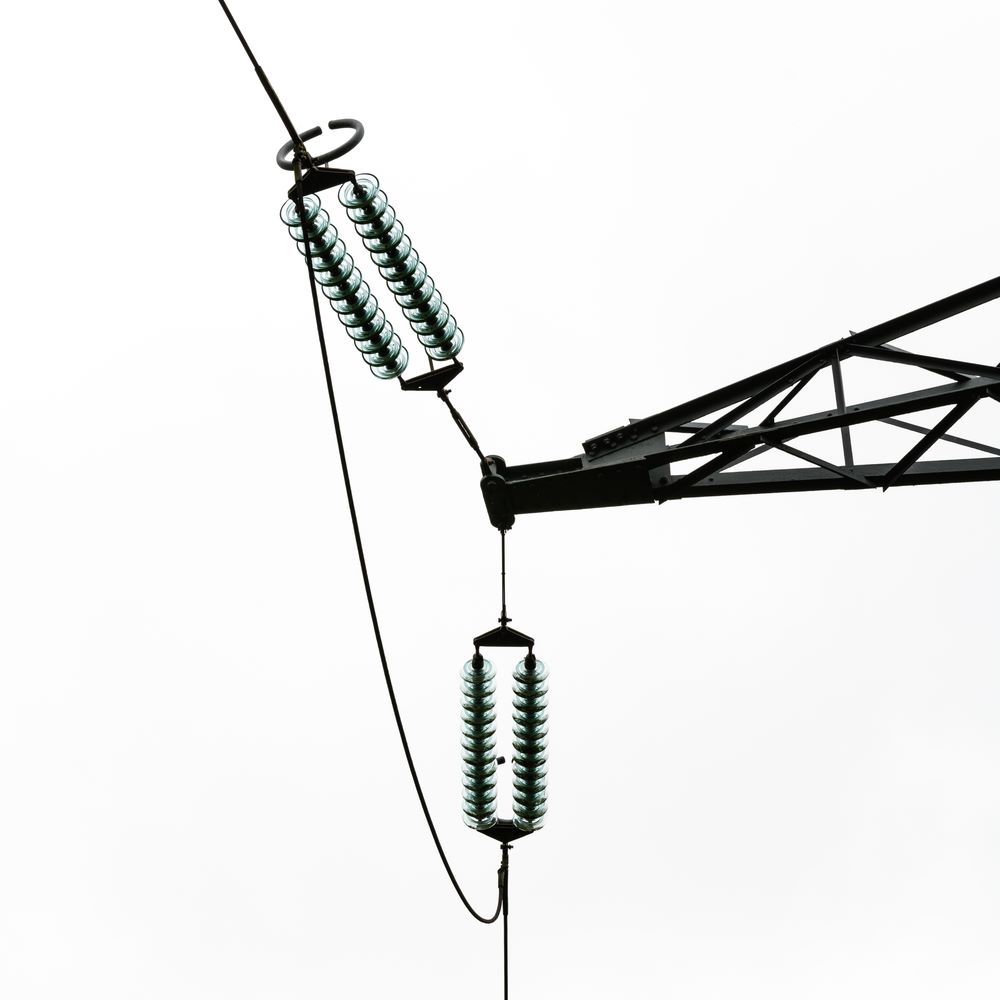
Comparison of 16A and 16B Ball-and-Socket Couplings for Suspension Insulators
Based on GB/T 4056-2019 / IEC 60120:2020
1. Overview
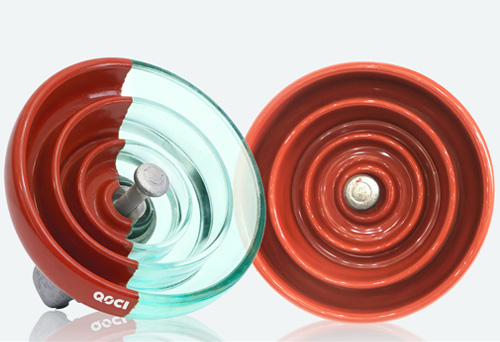
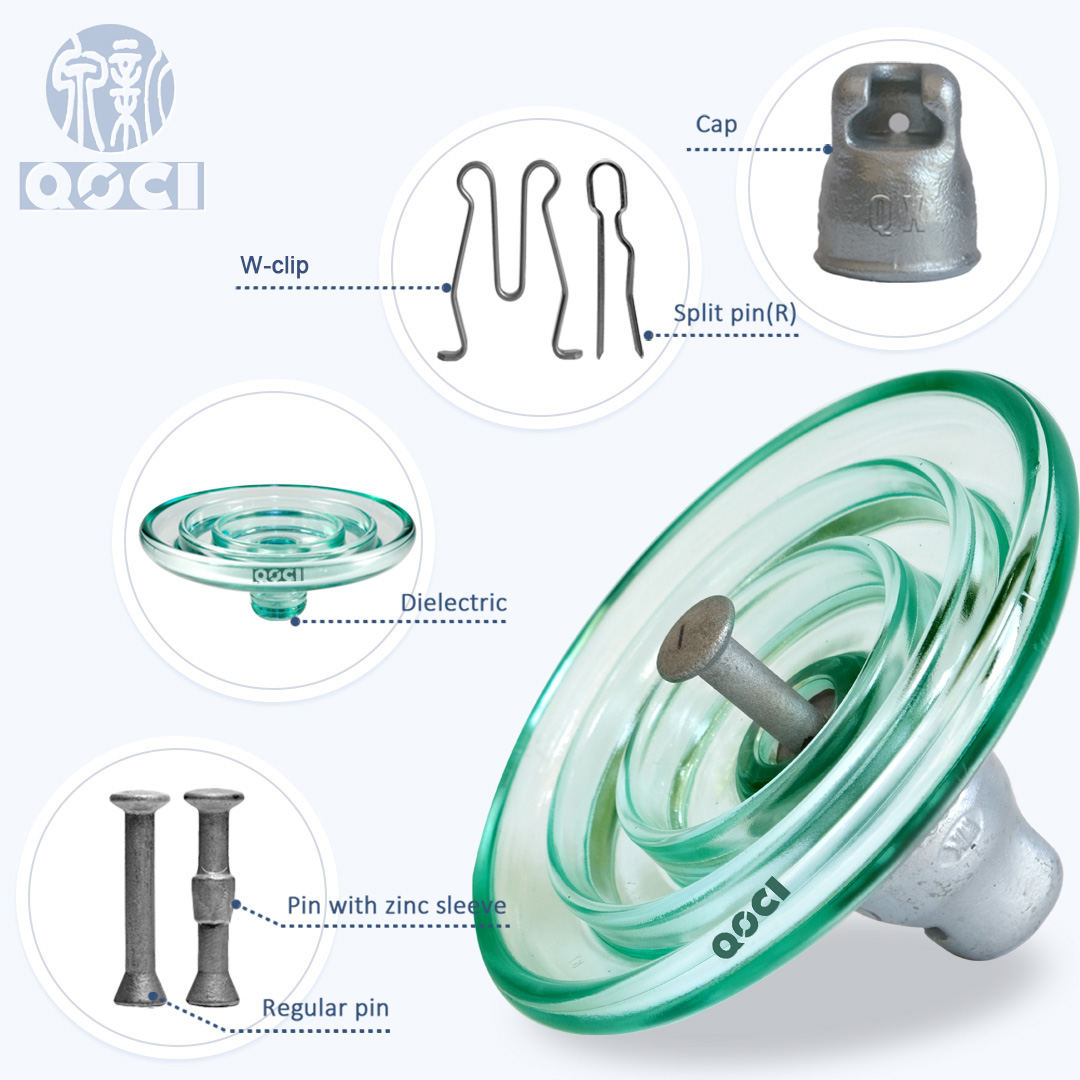
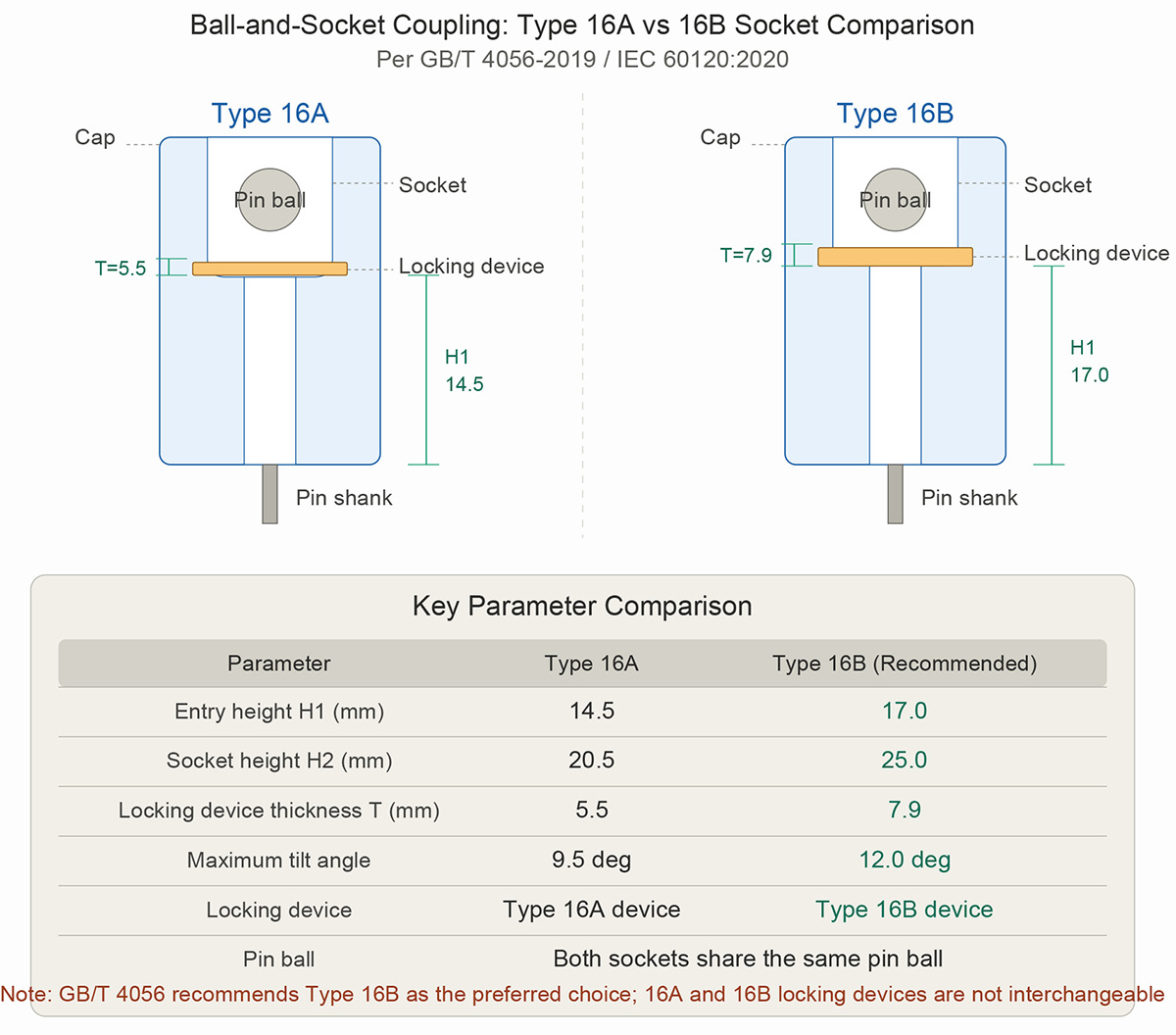
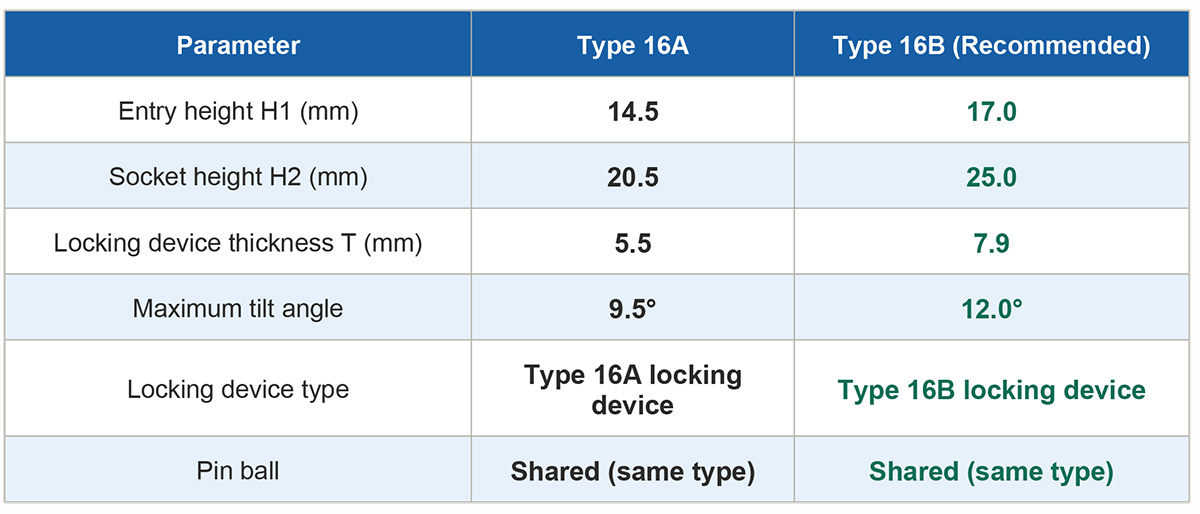
Coupling designations 16A and 16B both belong to coupling size 16 (nominal ball shank diameter 16 mm) under GB/T 4056-2019 / IEC 60120:2020. They share the same ball (pin head), differing only in the socket (cap cavity) dimensions. This document clarifies the applicability of R-type and W-type locking pins to these two socket types.
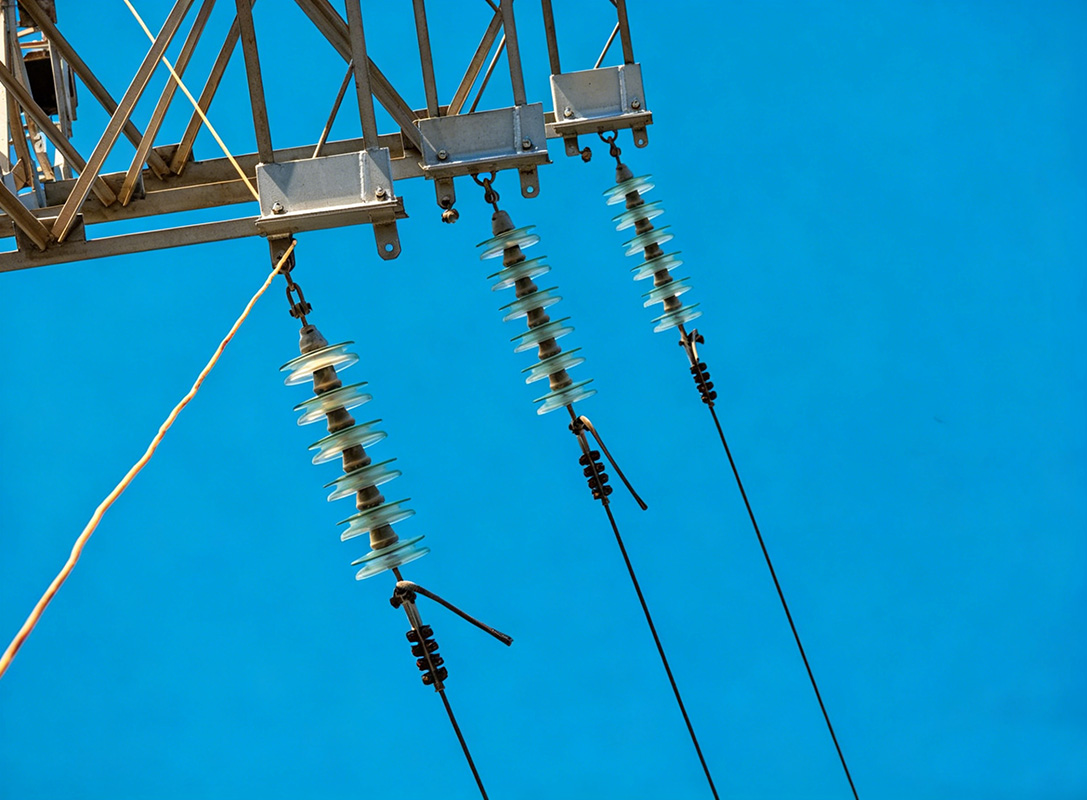
Both Type 16A and Type 16B belong to the designated size 16ball-and-socket coupling (nominal pin diameter = 16 mm) used in suspension Insulator Strings for overhead transmission lines. They share thesame pin ball (ball-end fitting) — only one type of ball is produced for both. The difference lies entirely in the socket (cap cavity) dimensions, specifically the entry height (H1), socket height (H2), and the locking device thickness (T).
2. Key Conclusion
| 16A is NOT limited to R-type pins. W-type pins are equally applicable. Both R-type (open spring pin) and W-type (W-clip) locking pins can be used with both 16A and 16B sockets. The standard does not restrict 16A to R-type pins only. |
Standard Reference (GB/T 4056-2019, Clause 8 / IEC 60120:2020, Clause 9):
“The locking pin (R-type or W-type) shall lock the minimum-size ball in the maximum-size socket. ”
This means both 16A and 16B sockets can be fitted with either R-type or W-type locking pins, and the standard explicitly permits both combinations.
3.SocketHeight (H2) Variesby Pin Type
The socket height H2 differs slightly depending on which locking pin type is used, because the W-type pin sits slightly higher in the socket than the R-type pin, requiring marginally more clearance:
| Socket Type | H2 with R-type Pin | H2 with W-type Pin | Difference |
| 16A | 20.5 mm | 21.6 mm | +1.1 mm |
| 16B | 25.0 mm | 25.5 mm | +0.5 mm |
4.StandardRecommended Selection
The notes accompanying the socket dimension table in GB/T 4056 provide clear guidance:
| Coupling Size | Recommended Pin Type |
| ≤ 20 (incl. 16A, 16B, 20) | W-type pin preferred |
| ≥ 24 (24, 28, 32) | R-type pin preferred |
Therefore, for 16A sockets, the W-type pin is actually the standard-preferred option, not an incompatible choice.
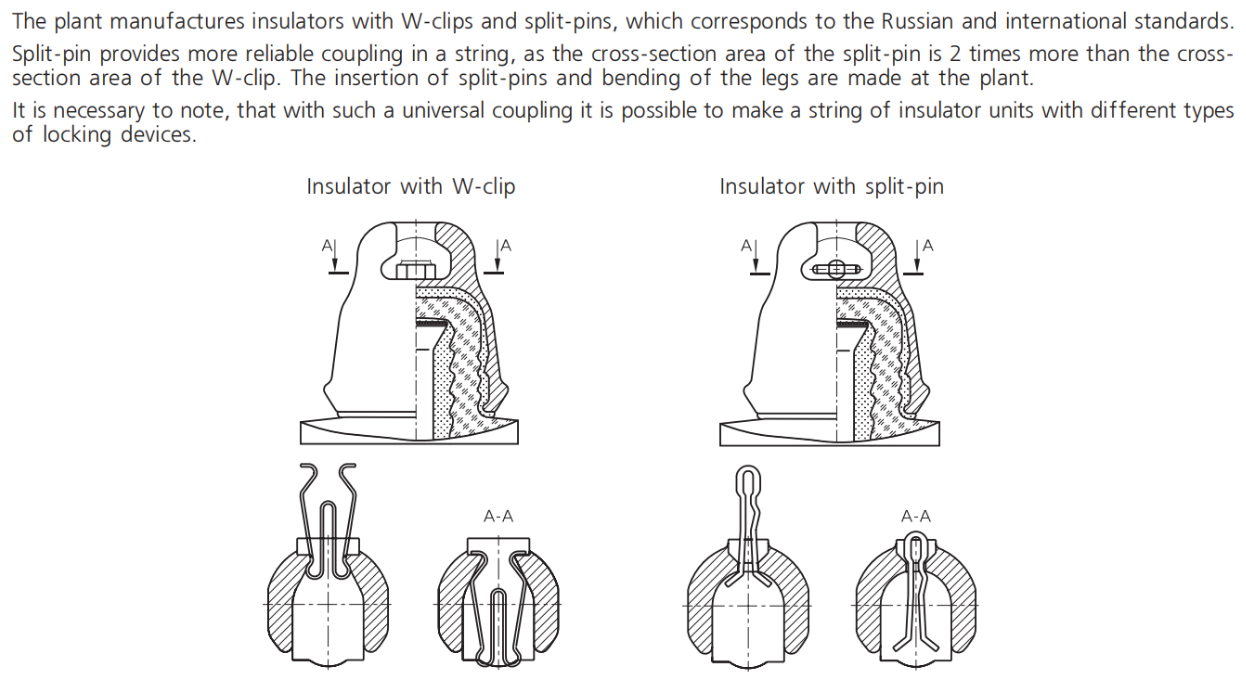
5.R-type vs. W-typePin Comparison
| Characteristic | R-type Pin (Split pin-R) | W-type Pin (W-clip) |
| Installation | Inserted into hole, legs manually bent | Pushed in; self-locating via spring force |
| Reversibility | Irreversible after bending; difficult to remove | Removable; can be repositioned |
| Fit Type | Interference fit (standard) / loose fit (alternative) | Spring clasp; dual position (coupling + locking) |
| Preferred Range | Large sizes (≥ 24), higher loads | Small sizes (≤ 20), higher installation efficiency |
6.Summary
| A 16A socket can be fitted with a 16A R-type pin or a 16A W type pin — both comply with the standard. The corresponding H2 dimension differs (20.5 mm vs. 21.6 mm), and the standard recommends W-type pins as the preferred option for 16A. |
Reference: GB/T 4056-2019 — Insulators for overhead lines — Ball and socket couplings — Dimensions and tolerances |
IEC 60120:2020 (equivalent standard)