
Leave Your Message

Blog

Top 10 Glass Isolator Types for Global Buyers

Top 10 Glass Isolator Types for Global Buyers

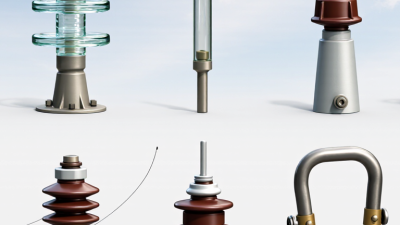
You know, electricity grids are really expanding these days, and the hardware that keeps them running has to hold up under some pretty harsh outdoor conditions. According to the International Energy Agency’s report on grids and secure energy transitions, we need to be investing over $600 billion a year by 2030—that’s more than double what we’re putting in right now. And if you look at their Electricity 2024 outlook, they’re expecting global electricity demand to climb at an average of 3.4% each year between 2024 and 2026. So yeah, we’ve got some serious work ahead. So these numbers, they really show that there's still a solid demand for dependable transmission and distribution components—you know, like the Glass Isolator. So, you know how glass insulators are used on overhead lines? They basically support the conductors and keep electrical leakage in check. Now, if you're buying these, you'll come across different types—like toughened-glass suspension, disc, long-rod, pin, and a few others. Each one is suited for specific voltage classes, line layouts, mechanical loads, and even environmental conditions. And here's the thing: the glass body is transparent, which helps inspectors spot certain damage easily, but that doesn't mean you can skip regular checks. You still have to do the routine inspections, no shortcuts. Don't underestimate the small stuff. Fitting dimensions, creepage distance, hardware compatibility, even packing protection – these can all throw a wrench into procurement and installation if you're not careful. It's the little details that often make the biggest difference. So, this guide is basically about ten types of glass isolators that folks buying from around the globe might want to check out, and it digs into where each type could actually fit in your project. We pulled from industry reports and solid engineering know-how, but honestly, picking the right one really depends on what you're working on. Sure, there's IEC 60383-1, which lays out the requirements for ceramic or glass insulators on overhead lines above a thousand volts, and it's a handy reference—like a starting point, not the whole buying manual. You know, it gives you the basics, but you still gotta figure out what works best for your situation. Honestly, no ranking can take the place of a proper design review, verified test documents, or actually assessing your suppliers. Fit is really what matters. Sure, a careful comparison can help narrow things down, but you still need to keep real-world conditions in mind.
Read more »
Amelia By:Amelia - November 12, 2026
7 Tips for Buying Glass Isolator U70BL?

7 Tips for Buying Glass Isolator U70BL?

So, buying a Glass Isolator U70bl isn’t just about comparing prices, you know? I mean, the model name alone doesn’t really tell you if it’s going to work for your specific line or environment. You actually have to dig into the manufacturer’s datasheet — check the rated mechanical load, dimensions, creepage distance, all that electrical performance stuff. Honestly, the small differences can be the ones that catch you off guard. Here's the thing: checking out a product and its supplier really comes down to seven practical checks. First off, make sure you've got the exact model name—don't just take their word for it—and ask for test documents that you can actually trace back. Then, line up the specs against your project design. Think voltage requirements, pollution exposure, and what fittings are being used in the string. You also want to ask them straight: how do they inspect the glass surface, the metal hardware, and the cement connection? If their answers are clear, that's a good sign. But if they're giving you vague claims? That's a red flag. Supplier reliability is just as important, honestly. You’ll want to look at their production capacity, QC processes, packaging, delivery terms, and how they handle technical questions. Sure, ask for recent photos or inspection records if it makes sense—but don’t take pictures as proof they can actually perform. Make sure the docs actually match the batch they’re offering. It’s a small step, but people skip it all the time. There’s really no one-size-fits-all “best” choice out there. It all comes down to your site conditions and what the project actually needs — and a qualified engineer should double-check that everything’s compatible before you commit to buying anything. Think of this article more like a buying checklist than a substitute for proper design review. Also, keep in mind that some supplier info might be incomplete, so it’s worth asking follow-up questions and writing down what they say. A little extra time spent comparing now can save you from some costly misunderstandings later.
Read more »
Charlotte By:Charlotte - November 7, 2026
Where to Buy China Top CTV 254 Glass Insulators?

Where to Buy China Top CTV 254 Glass Insulators?

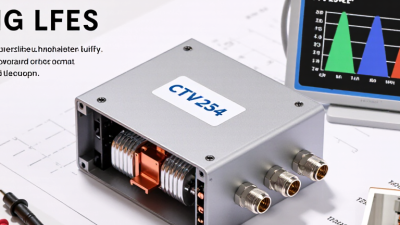
When you're looking to buy China's top CTV 254 glass insulators, honestly, it all comes down to having a clear spec—not just some glossy product photo. You've gotta check the model, dimensions, glass condition, hardware, and how they're packaged. Don't be shy about asking suppliers for up-to-date drawings, inspection records, and close-up shots of the surface. If you spot small chips, markings that aren't clear, or dimensions that seem off, definitely follow up. The little things really matter. Before you commit to the Ctv 254 Isolator En Verre, take a step back and think about what your project actually needs. It's not just about the specs—you've got to see if it aligns with the supplier's documented quality checks. Don't just go with the first name you find; shop around and compare a few manufacturers. If you can, request a sample—it's practical and gives you a real feel for the product. Also, make sure you ask about how they pack it for shipping; you don't want surprises when it arrives. And who's going to answer your technical questions after delivery? That's worth a quick question. A fast reply is nice, but it's the evidence that really counts. Honestly, if they can't walk you through their inspection process, that's a red flag—hold off on ordering until you're sure. We didn't have a named expert quote in the source material, so it wouldn't be fair to put words in someone's mouth. Before you publish, make sure you get a direct, approved comment from a qualified engineer or sourcing pro who really knows CTV 254 glass insulators. A good question to ask is: 'Which inspection records can buyers actually see before shipment?' That answer tells you more than just 'we're top quality.' Still, some things might need a bit more digging to verify. So before you settle on where to buy, it’s worth giving the specs, the docs, and their communication a quick look—like, all together. You know, just to make sure you’re not missing anything.
Read more »
Evelyn By:Evelyn - November 4, 2026
Why Choose Anti Pollution Glass Insulators?

Why Choose Anti Pollution Glass Insulators?

Pollution doesn’t exactly stay put on the power line. Salt, cement dust, industrial grime — all of it can build up on insulator surfaces, especially after a long dry spell. Then when moisture finally rolls in, that dirty layer can turn conductive, and suddenly you’re looking at leakage current or even flashover. So choosing an insulator isn’t just about appearances; it really comes down to maintenance planning and how reliable your network stays. If you're looking at pollution severity, IEC 60815-1 is a pretty practical place to start. It breaks site pollution down into five levels—ranging from very light all the way to very heavy—so engineers can tailor insulation design to what's actually happening locally. R. S. Gorur, who does high-voltage insulation research, makes a similar point in his published work: performance isn't just about the insulator itself, it depends a lot on the environment and test conditions. Paraphrasing him, the takeaway is basically this—judge insulators for the site they're meant to serve, not in a vacuum. (That's my paraphrase, not a direct quote.) Utility folks dealing with polluted routes might find anti-pollution glass insulators pretty appealing—they're visible and tough. Since the body is glass, crews can spot surface damage from the ground or during routine checks. Of course, you still need to make sure the profile and creepage distance fit the actual job. No material is a magic bullet. Things like coastal salt, nearby factories, rain, and how easy it is to clean all play a role. If a spec ignores those, it can look great on paper and then let you down in the field. That’s worth holding on to. This intro digs into where anti-pollution glass insulators can actually make a difference, what evidence engineers ought to be comparing, and which site-specific questions are worth a closer look.
Read more »
Charlotte By:Charlotte - November 1, 2026
10 Best Glass Insulator 120B Suppliers Worldwide

10 Best Glass Insulator 120B Suppliers Worldwide

So, when you're on the hunt for a reliable Glass Insulator 120b supplier, don't get swayed by those polished catalog photos—they can be pretty tempting, but honestly, they're not the real deal. What you really need is to nail down the specs first. Like, make sure you double-check the dimensions, the type of glass, how it connects, and where you're planning to use it. Little details can throw you off. Picture this: a part might look perfect on your screen, but when it arrives, it doesn't match the existing setup you've got. Yeah, that's a headache you definitely want to avoid. So, you're comparing ten suppliers, right? You'll want to check out their product range, manufacturing capability, quality documentation, and export support. What's actually useful to gather? Things like inspection records, material info, production controls, and references from similar projects they've done before. And when you talk to each supplier, ask how they handle surface defects, dimensions, and consistency between batches. Oh, and don't skip packaging – a chipped glass can really mess up an order and cost you money. Honestly, you can't just take a sales pitch at face value—it's asking for trouble. I mean, sure, that quick overview might sound great, but you've really got to check those claims against the actual, current documents. Otherwise, you're just trusting someone's word when the real proof is right there in the fine print. Hey, just a heads-up: suppliers change their capabilities and even product names all the time, so that '120B' you've been eyeing might look a bit different across different catalogs. Before you go ahead and place an order, make sure you double-check the exact drawing, the technical specs that apply, lead times, minimum order quantities, and what their after-sales process looks like. And if it's feasible, ask for samples – that's always a smart move. When you get quotes back, don't just compare prices. Actually, a super low quote should raise a red flag – give it a closer look. This guide is just a starting point to get you going, not a substitute for a proper technical review by someone who knows what they're doing. Look, some supplier info is just a mess—incomplete, hard to compare, you know? And we shouldn't pretend otherwise. Honestly, the best bet is a supplier who answers your questions straight every time and backs up their talk with actual paperwork you can verify.
Read more »
Amelia By:Amelia - October 29, 2026
Why Choose 11kV Insulators for Global Power Projects?

Why Choose 11kV Insulators for Global Power Projects?

So, why go with 11kV insulators for power projects around the world? Honestly, a project like that needs way more than just the right voltage rating. You’ve got heat, rain, salt, dust, high altitudes, and all kinds of mechanical stress to think about. The insulation has to hold up through all of it. That’s a big reason 11kV insulators still matter so much—whether we’re talking distribution networks, industrial substations, renewable energy plants, or rural electrification systems. Dr. R. S. Gorur knows a thing or two about outdoor insulation—he’s a well-known expert in the field and even co-wrote Outdoor Insulation in Electric Power Systems. And he makes a pretty simple but important point: “Insulator performance depends on the service environment, not voltage rating alone.” That’s worth paying attention to. Take an 11kV line along the coast versus one out in a dry inland area—they might need different creepage distances. In other words, even small design choices can make a real difference. Reliable suppliers like Siemens Energy, ABB, and Hubbell Power Systems usually run through electrical strength, mechanical load, pollution performance, and weather resistance. On top of that, engineers really ought to check the relevant IEC standards—IEC 60168 and IEC 60273 are the main ones—plus whatever local grid rules apply. Factory testing definitely helps, but out in the field things can still throw you a curveball. And honestly? That's the uncomfortable part. Choosing the right 11kV insulators is really a balancing act—safety, service life, maintenance access, and overall project cost all come into play. Porcelain, polymer, and composite options each have their own strengths. But let's be honest: none of them is perfect. The final call should come down to site surveys, verified test data, and good old-fashioned engineering judgment. And don't overlook the basics—clean surfaces, proper fittings, and careful installation can save you from some very costly failures. It's the little details that are easy to underestimate. So, why do 11kV insulators keep helping deliver reliable power? This article digs into that — across all sorts of environments around the world.
Read more »
Charlotte By:Charlotte - October 24, 2026
What Is a High Voltage Isolator and How Does It Work?

What Is a High Voltage Isolator and How Does It Work?

A high voltage isolator is a mechanical switching device used to separate electrical equipment from an energized system. It creates a visible air gap, helping technicians confirm that a circuit is physically disconnected. In substations, you may see long metal blades opening beside busbars, transformers, or transmission lines. The device does not normally interrupt heavy fault current. A circuit breaker must clear the load or fault first. The phrase Isolator High Voltage describes equipment designed for high-voltage isolation duties. Its operation may be manual, motorized, or remotely controlled. When opened, its contacts move apart and establish a safe clearance. Some designs include an earthing switch, which connects the isolated section to ground after testing confirms de-energization. Mechanical and electrical interlocks can prevent unsafe sequences, although their protection depends on correct installation and maintenance. Small details matter. Standards such as IEC 62271-102 provide important guidance for disconnectors and earthing switches. However, actual performance depends on rated voltage, current, insulation level, weather, pollution, and installation height. Experienced engineers review drawings, switching procedures, manufacturer instructions, and inspection records before operation. They also check contact alignment, corrosion, lubrication, and position indicators. A visible gap is useful, but it is not proof of zero energy. That assumption can be dangerous. This article explains how isolators work, where they belong in a protection system, and why disciplined verification remains essential. Some designs appear simple. Their safety depends on many connected decisions.
Read more »
Evelyn By:Evelyn - October 20, 2026
7 Tips for Choosing a CTV Chain Isolator?

7 Tips for Choosing a CTV Chain Isolator?

Picking a CTV Chain Isolator isn’t just a purchasing task—it’s a safety decision. The unit you choose has to hold up under mechanical tension, electrical stress, moisture, vibration, and yes, even the occasional maintenance mistake. A shiny catalogue page? That’s not nearly enough. The International Energy Agency reported that global electricity demand grew strongly in 2024, which keeps adding pressure on transmission and distribution networks. Grand View Research also put the global electrical insulator market at more than USD 13 billion in 2023. Those numbers show a growing market, sure—but they don’t guarantee product quality. In the end, site conditions still decide how well something performs. High-voltage engineering professor Dr. George G. Karady offers a useful principle: 'Insulation coordination is a system problem, not a component problem.' That idea should guide every CTV Chain Isolator comparison. Start with rated voltage. Then look at creepage distance, tensile strength, corrosion resistance, installation geometry, and verified test records. Don’t get swayed by one impressive number. A reliable selection process should also factor in IEC 61109, IEC 60168, and the relevant manufacturer testing procedures. Ask for traceable certificates, material specs, and evidence from comparable railway or utility environments. And take a close look at chain links, end fittings, locking hardware, and exposed surfaces. Small defects can turn into very expensive failures. Some common assumptions can be wrong, too. A higher rating doesn’t always mean better field performance. Weather, contamination, and poor alignment can change the outcome. This guide shares seven practical tips for choosing a CTV Chain Isolator, but keep in mind that final approval still needs qualified engineering review and site-specific validation.
Read more »
Evelyn By:Evelyn - October 15, 2026
What Is a CTV Chain Isolator and How Does It Work?

What Is a CTV Chain Isolator and How Does It Work?

Okay, so a CTV Chain Isolator is basically a mechanical switching device. Its job? To create a visible break in high-voltage equipment. The chain-operated setup lets technicians open or close that isolating path from a safer spot. Now, it’s not meant to interrupt fault current—that’s a key distinction. Circuit breakers handle faults. Isolators just give you physical separation once the circuit has been de-energized. And dependable isolation is becoming a bigger deal. The International Energy Agency, in Electricity Grids and Secure Energy Transitions, said annual grid investment needs to climb above USD 600 billion by 2030. More substations and longer transmission routes mean safe, maintainable switching gear matters more than ever. IEC 62271-102 lays out requirements for HV AC disconnectors and earthing switches too—covering insulation, mechanical endurance, and operating performance. John D. McDonald, an IEEE Fellow and well-known substation automation specialist, puts it this way: “Protection and control must work together as one coordinated system.” That idea applies directly to a CTV Chain Isolator. Its position indication, interlocking, and grounding arrangement all have to fit the wider substation design. A simple chain can hide some pretty complex engineering. In operation, the chain transfers movement to the isolator mechanism. Contacts separate, insulation distance increases, and operators check that it’s actually open. Weather doesn’t help, either. Dust, ice, corrosion, and misalignment can all chip away at reliability. A diagram looks clean. Field conditions? Not so much. This article looks at the structure, operating sequence, safety role, maintenance needs, and practical limits of a CTV Chain Isolator. It also challenges a common assumption: visible separation alone doesn’t guarantee a safe work zone. Verification, isolation procedures, and proper earthing are still essential.
Read more »
Amelia By:Amelia - October 12, 2026
Why Choose Anti Fog Glass Insulators for Global Sourcing?

Why Choose Anti Fog Glass Insulators for Global Sourcing?

Global buyers run into a pretty simple problem when the weather turns nasty: moisture can spread across an insulator’s surface, hiding defects and making inspections feel less reliable. An Anti-Fog Glass Insulator is meant to keep visibility clearer in coastal air, mountain fog, and those sudden temperature swings. Its glass body also gives you a visible condition check after it’s installed. And yes, even small surface marks matter. Elena Brooks, a transmission-insulation engineer at Northline Grid Materials, puts it this way: “A reliable insulator should still make sense when the weather gets rough.” That’s a field-tested view, not marketing fluff. Buyers should look at fog performance, mechanical strength, thermal resistance, and verified electrical ratings. Product drawings need to match the actual samples. Testing reports should come from competent labs with traceable methods. Global sourcing is more than just comparing unit prices. A supplier should be able to explain glass composition, cementing procedures, inspection controls, packaging methods, and replacement support. Anti-Fog Glass Insulator products may reduce visual maintenance risks, but they don’t cure every line failure. Bad installation, contamination, and wrong hardware can still cause serious problems. That limitation deserves attention. Asking for batch records and factory audit evidence can boost purchasing confidence. Site conditions matter, too. Salt spray, freezing rain, dust, and UV exposure should shape the specification. Experienced buyers often start with a sample inspection, then confirm performance through documented tests. It takes longer. But it can prevent expensive surprises.
Read more »
Amelia By:Amelia - October 9, 2026
7 Best Anti-Fog Glass Insulators for Global Buyers?

7 Best Anti-Fog Glass Insulators for Global Buyers?

As transmission networks expand further into humid, coastal, and industrial areas, having reliable insulation isn't just a bonus — it’s becoming absolutely critical. According to the International Energy Agency’s 2023 report, titled *Electricity Grids and Secure Energy Transitions*, the amount being invested in grid infrastructure needs to double—going from roughly $300 billion a year to over $600 billion by 2030. That’s a significant jump, and it means more equipment will be exposed to harsh conditions like salt spray, dust, condensation, and sudden temperature swings. In this guide, I’m taking a close look at seven different Anti-Fog Glass Insulator options for global buyers. We’ll compare things like glass quality, shed profile, creepage distance, mechanical strength, sealing design, manufacturing traceability, and support from suppliers. It’s worth noting that the CIGRE Technical Brochure 555 stresses how important pollution levels and proper insulation sizing are when it comes to outdoor setups. The IEC 60815 standards also emphasize that choosing the right insulator isn’t just about how it looks — site conditions play a huge role. Even a clear insulator isn’t foolproof — it can still fail if it gets wet and contaminated. And a tough, high-quality insulator might not be the best fit for a coastal line, if it’s not designed to handle those specific environments. Sometimes, tiny details matter — like how rough the glass surface is, which can trap salt deposits after a foggy night. Testing should go beyond just the basics; it’s good to check thermal shock resistance, load capacity, leakage performance, and even do some visual inspections. Laboratory data is useful, but real-world, on-site evidence is even more telling. The truth is, there’s no one-size-fits-all solution. Sure, that’s a bit awkward — a product that works perfectly in a dry inland area might struggle near a chemical plant or on a stormy coast. So, buyers really need to dig into test reports, check for consistency across batches, understand the manufacturer’s experience, and look at installation records. This guide is based on publicly available technical guidelines and practical criteria for making purchasing decisions. But remember, supplier claims should always be verified independently. Ultimately, your choice should be backed up by a thorough site assessment — don’t just go for the shiny catalog photos.
Read more »
Amelia By:Amelia - October 4, 2026
China Best CTV 254 Isolator Price and Supplier?

China Best CTV 254 Isolator Price and Supplier?

China's become a key player when it comes to sourcing RF components, but just because you get the lowest quote doesn't necessarily mean you're getting the best deal. Take a CTV-254 isolator, for example—it's crucial to evaluate it carefully. Things like insertion loss, isolation level, frequency range, power handling capacity, connector quality, and operating temperature all matter. These details directly impact how well the device performs and what you’ll end up paying in the long run. Plus, they help you spot if a supplier's claims don’t quite add up. According to Grand View Research, the global RF front-end module market is expected to keep growing at a double-digit rate all the way through 2030. This trend is driven by expanding wireless infrastructure, more testing equipment, and the rise of high-frequency communication systems. Naturally, this means there’s higher demand for reliable isolators, including compact CTV-254 models. But, just because the market is booming doesn’t mean every model you see is genuinely up to snuff—that’s something you’ll need to verify with actual proof. A trustworthy supplier from China should be able to give you a current datasheet, real test curves, photos of their production process, and details about their quality control procedures. Certifications like ISO 9001 can indicate solid process management, and IEC 60529 testing can show whether their enclosures meet protection standards—especially if that’s relevant for your application. Don’t forget to ask for the actual testing frequency, the measured insertion loss, isolation levels, and maximum input power. It’s these small details that can save you headaches later on. Pricing can vary quite a bit depending on the connector type, order volume, customization needs, packaging, and testing requirements. Sometimes, what’s listed publicly might seem super cheap, but don’t forget to account for extra costs like shipping, certification, or sample testing. We’ve seen cases where skipping these details caused delays and added unexpected expenses. To really make an informed decision, compare all aspects—unit price, lead times, warranty, minimum order quantities, and after-sales support. Remember, there's no one-size-fits-all “best” supplier. The key is choosing someone whose verified performance, transparency, and terms match your specific needs.
Read more »
Evelyn By:Evelyn - October 1, 2026
2026 Top Anti Pollution Glass Insulator Manufacturers?

2026 Top Anti Pollution Glass Insulator Manufacturers?

As power networks continue to grow in coastal, industrial, and desert areas, the importance of reliable insulation becomes more and more critical. This guide takes a closer look at the top anti-pollution glass insulator manufacturers for 2026, focusing on practical engineering benchmarks rather than flashy marketing pitches. We’re mainly interested in things like consistent product quality, testing capabilities, delivery performance, and real-world experience. When it comes to anti-pollution glass insulator designs, they’ve got to handle all kinds of harsh conditions—think salt buildup, cement dust, chemicals, and long dry spells with little rain. Clear glass bodies are actually pretty handy because cracks are easier to spot during inspections. Plus, toughened glass offers solid mechanical strength and remains visible even after electrical failure. But looks only tell part of the story; performance depends on several other factors too—like creepage distance, shed shapes, cement quality, galvanizing control, and hardware precision—all of which need to be carefully checked. Testing is pretty important, no doubt. The manufacturers listed here should show they meet the relevant IEC standards and have reliable quality management systems. Evidence of this can come from type-test reports, routine check records, batch traceability, and documented lab procedures. ISO 9001 certification can give you some confidence, but don’t rely on it alone—make sure to do your own technical checks too. It’s a good idea to compare how these insulators perform under real service conditions, such as different voltage levels, altitudes, humidity, and maintenance accessibility. Of course, rankings aren’t ever perfect. Different suppliers might use various testing methods, and actual results can vary region to region. So, this guide treats reputation as just one factor, not the ultimate proof. It’s always smart for utilities, EPC contractors, and distributors to request samples, inspect manufacturing practices, and double-check warranty terms before making a call. The best manufacturers are those who combine solid engineering know-how with responsive support, especially when a single damaged insulator string could impact an entire transmission corridor. Bottom line: choose wisely and don’t skip the due diligence. Hope this helps you get a clearer picture—good luck with your selections!
Read more »
Charlotte By:Charlotte - September 27, 2026
China Top 10 Green Glass Electrical Insulator Manufacturers

China Top 10 Green Glass Electrical Insulator Manufacturers

The China Top 10 Green Glass Electrical Insulator Manufacturers offer some useful insights into how China's glass-insulator industry is changing. These companies mainly supply transmission lines, substations, and railway electrification projects. Their products need to handle a lot—think pollution, lightning strikes, mechanical tension, and sudden temperature swings. And let’s be real — just having a bright green surface doesn’t automatically mean they’re environmentally friendly. This guide compares these manufacturers based on several measurable factors. We look at things like the glass composition, how much energy is used during manufacturing, consistency in production, evidence from type tests, experience in exporting, and their support after sales. It also takes into account how much recycled material they use and efforts to reduce packaging. At the end of the day, reliability in the field matters way more than fancy brochures. Small flaws like a chipped skirt, uneven glaze, or flimsy metal fittings can lead to costly maintenance headaches down the line. As glass scientist George W. Scherer once said, “Glass is a material that is out of equilibrium.” That kind of insight reminds us why proper thermal treatment and rigorous quality control are so crucial. Green glass insulators need carefully controlled cooling, thorough inspections, and solid hardware assembly. Leading manufacturers should be able to provide traceable batch info, detailed dimensional reports, and trusted lab test results. Independent verification still adds an extra layer of assurance. Now, a quick word of caution about the word “top.” Rankings can really change depending on the project size, regional approval standards, and how well the manufacturer performs in delivery. Some companies might shine in export markets, while others are more solid within domestic grid projects. That’s an important difference to keep in mind. So, think of the China Top 10 as a shortlist for your research, not a final, unquestionable ranking. Before jumping in, make sure to double-check current certifications, factory capacity, technical drawings, and actual project references. Even the most experienced teams can miss things like transport damage or tricky installation conditions—that’s why paying attention to details really matters.
Read more »
Charlotte By:Charlotte - September 23, 2026
How to Source Green Glass Electrical Insulators?

How to Source Green Glass Electrical Insulators?

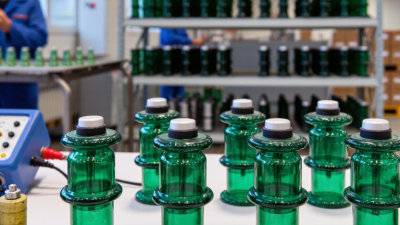
When you're on the hunt for green glass electrical insulators, don’t just settle for comparing colors, prices, or flipping through catalog photos. You really need to look beyond that. The glass should have a consistent translucent look, be well-formed without any imperfections, and show a reliable surface finish or glaze. Little bubbles in the glass? Sometimes that’s okay, depending on what you’re after. But cracks, sharp edges, or deep striae—they’re no-go zones. Honestly, how it performs matters way more than just how it looks. Dr. Elena Maric, who’s an expert in electrical insulation, put it pretty simply: “A green insulator’s value comes from its color supporting traceability. It’s not an excuse to hide inconsistencies.” That idea should really guide your conversations with suppliers. Don’t just ask about the price or look at generic samples—make sure to request test results for dielectric strength, mechanical load capacity, thermal shock, and UV aging. Try to get actual samples from the line that will produce your insulators, not just the promotional ones. Pay close attention to the details. Reliable manufacturers should be transparent about where they get their raw glass, how they mold the insulators, firing temperatures, inspection methods, and batch numbering systems. Big names like Siemens Energy, Hitachi, and Hubbell Power do a good job providing technical info, but don’t forget—these documents are helpful, but it’s always best to do your own review to make sure the product fits your needs. Reputation alone isn’t enough. If you can swing it, visit the factory. Watching the workers inspecting for pinholes, chips, warping, or uneven surfaces gives you a real sense of the process. A clean, well-organized warehouse also matters—things like moisture, careless stacking, or mixed batches can really mess up what looks like a good product. And don't forget to double-check compatibility. Confirm the right dimensions, creepage distances, hardware fitting, voltage rating, and whether it can handle your environmental conditions. Coastal air, industrial dust, freezing cold—these factors can all influence what kind of insulator you actually need. Just keep in mind—no process is perfect. Test reports can sometimes be incomplete, and the shade of green can change between batches. That’s why having a written spec, keeping samples, and setting clear acceptance criteria are so important. When you source with care, green glass insulators go from just a visual choice to a trusted, reliable part of your grid. — (Feel free to add your own touch here!)
Read more »
Amelia By:Amelia - September 18, 2026